
The quality of mung bean sprouts can be comprehensively judged from five dimensions: appearance, odor, texture, root condition, and growth environment. High quality mung bean sprouts have the characteristics of plump buds, fresh aroma, crisp and tender texture, short and straight roots, and clean cultivation environment.
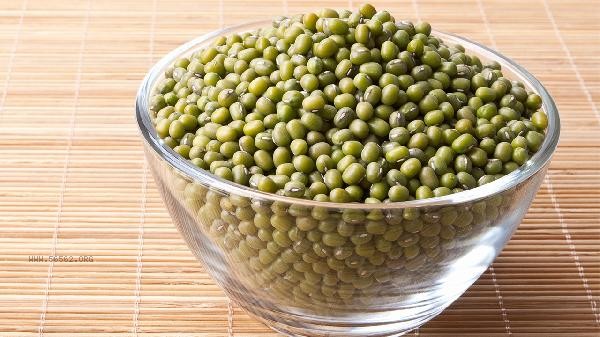
1. Appearance
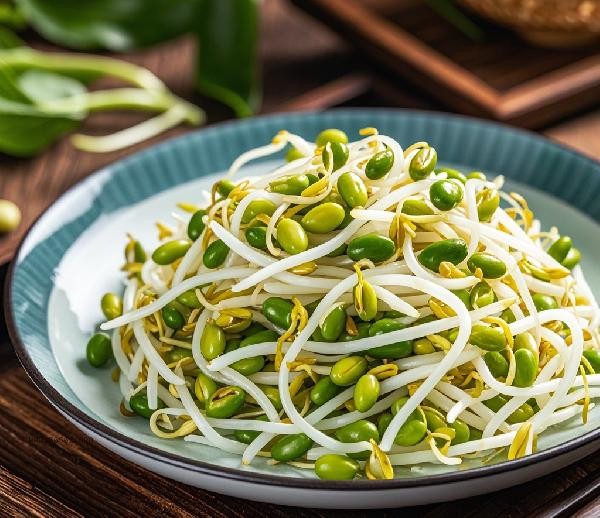
High quality mung bean sprouts have straight and full bud bodies, uniform length, white or light yellow bud bodies, and no brown spots or mold marks. Poor quality bean sprouts may have bent buds, gray and dark colors, or blackened and rotten bud tips. The roots of naturally growing bean sprouts will have fine hairs, while bean sprouts stimulated by hormones often have sparse or abnormally short roots.
2. Odor
Fresh mung bean sprouts have a light bean odor and a plant fragrance, without any pungent odors. If you smell the smell of sourness, bleach or other chemical agents, it indicates that the bean sprouts may have been treated with illegal additives or have spoiled. Bean sprouts stored for too long in high temperature environments during summer are prone to producing fermentation odors.
3. Touch
Gently pinch the stem of the bean sprouts with your fingers. The high-quality bean sprouts are crispy, tender, and juicy, with a crisp sound when broken. Poor quality bean sprouts have soft and sticky stems, or are too coarse, hard, and fibrotic. The surface of soaked bean sprouts may have a smooth feeling, while normal bean sprouts have a refreshing and non stick texture.
4. Root
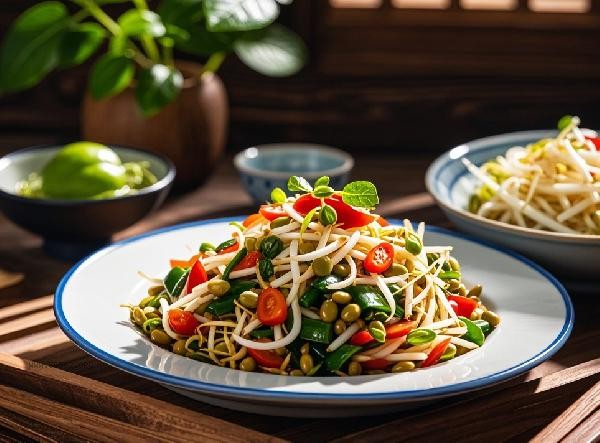
Healthy bean sprouts have a natural conical shape at the root, with a length not exceeding one-third of the bud body, and the root tissue is tightly packed. The roots of bean sprouts induced by the use of fertilizers such as urea are thick and swollen, sometimes accompanied by hollowing out. If abnormal branching or tumor like protrusions are found at the root, it may be caused by excessive hormones.
5. Growing Environment
Sprouts grown in regular channels should be cultivated in clean water, and the packaging should indicate the production date and shelf life. Loose bean sprouts need to be observed for cleanliness of the cultivation container, and there should be no turbid sediment or oil film in the water. Home grown bean sprouts should be protected from light during cultivation, as excessive light exposure can cause the sprouts to become bitter.
It is recommended to choose products with formal packaging when purchasing mung bean sprouts, and avoid purchasing bean sprouts with abnormally white color or abnormally thick stems. Fresh bean sprouts should be refrigerated and consumed within 2-3 days. Rinse with running water before cooking to remove surface residue.








Comments (0)
Leave a Comment
No comments yet
Be the first to share your thoughts!