
Identifying toxic mushrooms requires comprehensive observation of morphological characteristics, growth environment, and professional identification methods. Consuming toxic mushrooms by mistake may lead to serious poisoning or even death.
1. Morphological Characteristics
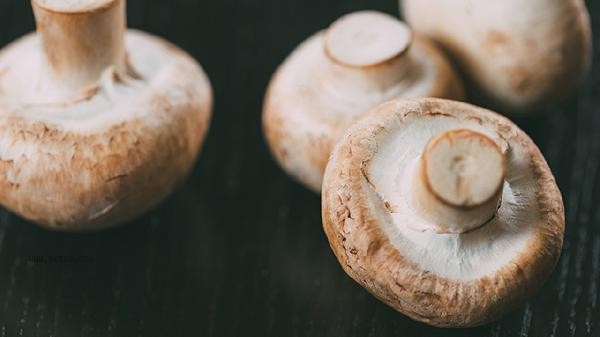
Poisonous mushrooms often have bright colors or special structures, such as the poisonous fly umbrella appearing bright red with white spots, and the white poisonous umbrella mushroom cap being pure white with sparse gills. Some poisonous mushrooms have fungal trays or rings at the base, such as the deadly Amanita mushroom which has a distinct cup-shaped bacterial tray. But some edible mushrooms also have similar characteristics, which need to be judged in conjunction with other factors.
2. Growth Environment
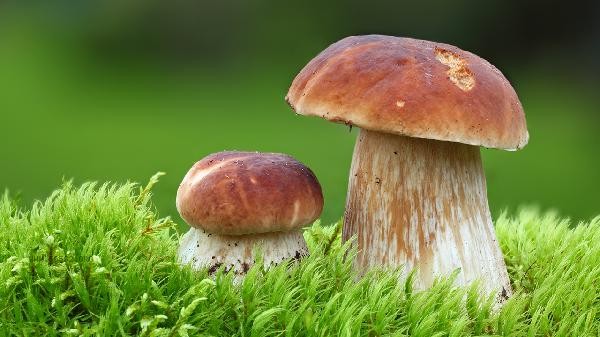
Most poisonous mushrooms grow in dark and humid environments, such as near decaying wood and manure piles. The scale handled white poisonous umbrella is commonly found in the humus soil of coniferous forests, and the net spore boletus fungus is often parasitic on the roots of oak trees. Attention should be paid to the possibility of mixed edible varieties in the same area, and the environment cannot be the sole criterion for judgment.
III. Professional Identification
Professional institutions observe the spore morphology under a microscope, such as the angular shape of the spores of Fusarium oxysporum. Chemical testing can identify the toxins contained in Amanita mushrooms. The methods widely circulated among the people, such as blackening silverware and non-toxic insect infestation, have no scientific basis and must rely on laboratory identification.
IV. Toxic Symptoms
After ingesting poisonous mushrooms, gastrointestinal symptoms such as vomiting and diarrhea, neurological symptoms such as hallucinations and convulsions, or liver and kidney damage symptoms such as jaundice and anuria may occur. There is a 6-24 hour false recovery period for Amanita poisoning, followed by a rapid deterioration of the condition.
V. Emergency Response
Suspected poisoning should be immediately induced to vomit and mushroom samples should be kept for testing. When seeking medical attention, it is necessary to clearly inform about the consumption time, type, and changes in symptoms. Hospitals may use treatment methods such as gastric lavage, activated carbon adsorption, and blood purification. Penicillin G can be used to detoxify Amanita toxin. The most effective way to prevent mushroom poisoning is to avoid consuming wild mushrooms. When purchasing edible mushrooms, one should choose legitimate channels and check again for any abnormalities before cooking. Mountain residents need to strengthen children's education and wear gloves during outdoor activities to avoid contact with toxic mushroom secretions. If you experience discomfort symptoms, seek medical attention immediately and do not self medicate with so-called detoxification remedies.








Comments (0)
Leave a Comment
No comments yet
Be the first to share your thoughts!