
It is recommended to use water-resistant heating or low-power short-term microwave heating when heating boxed milk to avoid high temperature damage to nutrition. There are five main methods: water insulated heating, microwave heating, constant temperature soaking, pouring into a container for heating, and avoiding boiling.
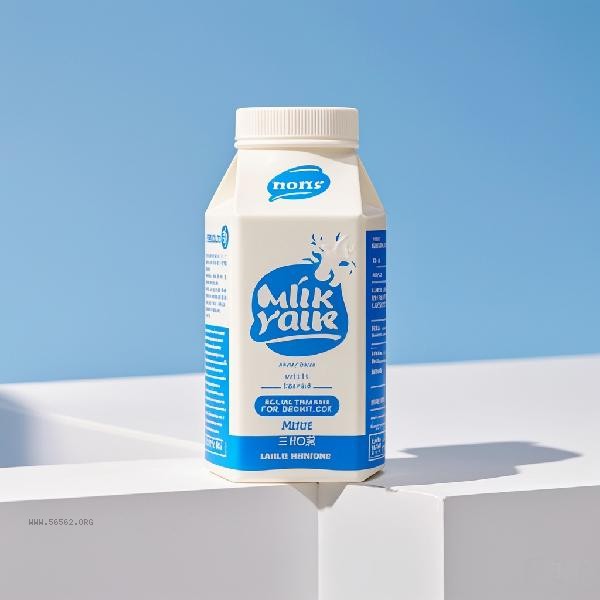
1. Cross water heating
Soak unopened boxed milk in hot water below 80 ℃ for 5 minutes, and heat it evenly through heat conduction. This method can retain thermosensitive nutrients such as vitamin B2 in milk, avoiding protein denaturation and clumping at high temperatures. Pay attention to the water level not exceeding the opening of the packaging box to prevent water from seeping in and contaminating.
2. Microwave Heating
After opening, pour into a microwave specific container, select medium low power heating for 30 seconds, stir, and repeat until the appropriate temperature is reached. Microwave heating requires strict time control, and the temperature should be checked after each heating to prevent local overheating and nutrient loss. Metal packaging boxes are absolutely prohibited from being placed in microwave ovens.
3. Constant temperature soaking
Place the sealed milk box in a 40-50 ℃ constant temperature water bath and slowly heat it up, suitable for infants and young children to heat before drinking. Low temperature long-term heating can maximize the retention of active substances such as immunoglobulin, but it is necessary to ensure that the packaging is intact and leak free, and the soaking time should not exceed 15 minutes.

4. Pour the milk into a container and heat it up.
Pour the milk into a milk pot or mug, stir over low heat, and heat it up to around 60 ℃. When heating directly with an open flame, continuous stirring is required to prevent bottom sticking, and thermometer monitoring is more accurate. This method is suitable for baking and other cooking scenarios that require precise temperature control, but some whey proteins may precipitate due to high temperatures.
5. Avoid boiling
When milk is heated above 75 ℃, lactose coking will produce harmful substances, and calcium will form insoluble calcium phosphate precipitates. Pasteurized milk does not require boiling for disinfection. Continuous boiling can cause a loss of over half of vitamin C, and changes in protein molecular structure can affect digestion and absorption rates.
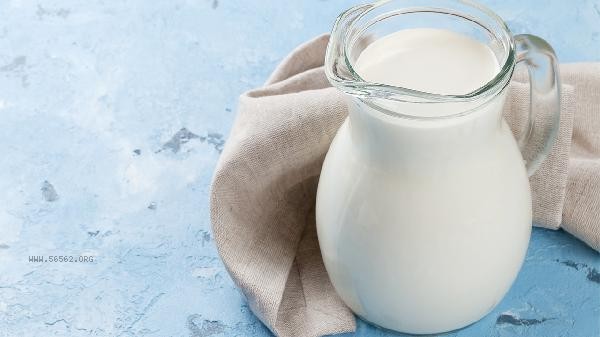
Heated milk should be consumed as soon as possible and left at room temperature for no more than 2 hours. Refrigerated milk can be taken out in advance and allowed to stand at room temperature before heating, reducing nutrient loss caused by temperature differences. Lactose intolerant people can choose low temperature and slow heat. diabetes patients need to cool down to appropriate temperature after heating. When choosing a heating method, it is necessary to consider both nutrient retention and convenience. Special populations should adjust the heating temperature and drinking method according to their physical condition.








Comments (0)
Leave a Comment
No comments yet
Be the first to share your thoughts!