
Bottled mineral water can be heated directly, but it is necessary to avoid the release of harmful substances from plastic bottles due to prolonged heating at high temperatures. It is recommended to pour water into a glass or ceramic container and heat it separately, or use a microwave oven container for short-term heating.
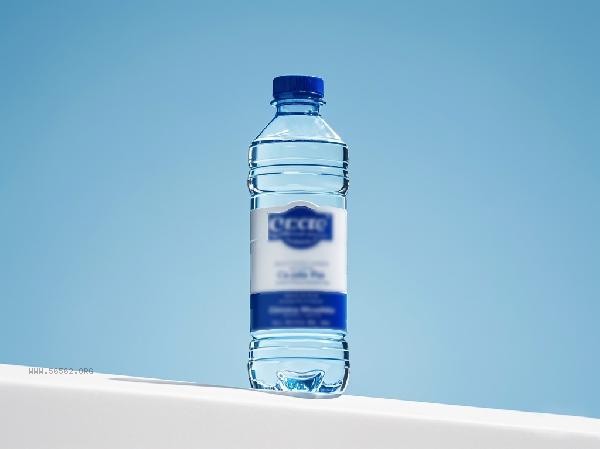
Bottled mineral water is mostly made of PET plastic bottles, with a heat resistance temperature generally below 70 degrees Celsius. Direct heating may cause plastic deformation or release trace amounts of plasticizers. Although products that meet national standards have lower risks under normal use, prolonged heating at high temperatures still poses potential health hazards. Containers made of glass, stainless steel, and other materials are more suitable for heating, which can prevent the migration of chemical substances generated by plastic heating. When heating in a microwave oven, it is necessary to ensure that the container is labeled for microwave use, and the heating time should be controlled within 1-2 minutes to avoid local overheating.
In special circumstances where rapid heating is required, the plastic bottle can be placed in hot water and kept warm with a water temperature not exceeding 60 degrees Celsius. Some high-temperature resistant PC travel water bottles can withstand boiling water at 100 degrees Celsius, but ordinary mineral water bottles do not have this characteristic. Infants and young children should avoid using plastic containers for heating when drinking. It is recommended to boil and cool to a suitable temperature.
For daily consumption, it is recommended to choose a kettle made of heating material to avoid repeatedly heating the same bottle of water. When going out, you can bring a thermos to hold hot water, which is both environmentally friendly and avoids the risk of plastic heating. Pay attention to the triangular recycling label on the bottom of the plastic bottle. PET material # 1 is not heat-resistant, while PP material # 5 has relatively good heat resistance but is not suitable for long-term heating use. The safest way to drink warm water is still to use food grade stainless steel or glass containers for heating.








Comments (0)
Leave a Comment
No comments yet
Be the first to share your thoughts!