
Mushrooms can be cleaned by rinsing with running water, soaking in salt water, scrubbing with starch, removing roots, blanching, and other methods. Different varieties of mushrooms need to be cleaned according to their texture to avoid nutrient loss or damage to taste.
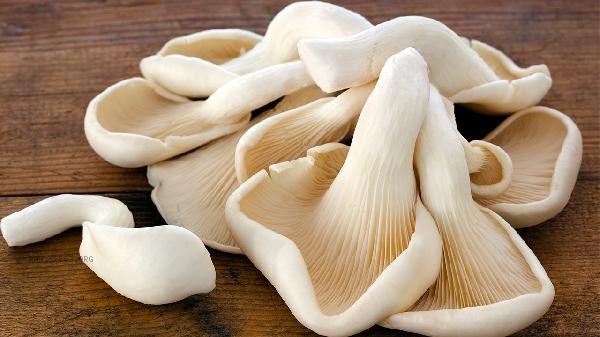
1. Rinse with flowing water
Place the mushroom under flowing water and gently rub the surface wrinkles or sediment in the gaps of the mushroom cap with your fingers. Umbrella shaped mushrooms such as shiitake mushrooms need to be flipped over and washed to avoid residual impurities. This method is suitable for smooth surface mushrooms such as shiitake mushrooms and shiitake mushrooms. The cleaning time should not be too long to avoid water absorption and affect the taste.
2. Salt water immersion
Soak mushrooms in light salt water for about 10 minutes. Salt can help precipitate insect eggs or small impurities in the folds. It is recommended to use this method for wild mushrooms such as matsutake mushrooms. After soaking, rinse with clean water again. Pay attention to the water temperature not exceeding 30 ℃ to avoid nutrient loss caused by high temperature.
3. Starch Rubbing
Dry starch has strong adsorption properties, especially suitable for cleaning varieties such as Flammulina velutipes with fine stalks. Mix mushrooms with a small amount of starch and gently knead. The starch particles will take away the dust in the gills, and then rinse with running water. This method can maintain the complete shape of mushrooms and avoid mechanical damage.
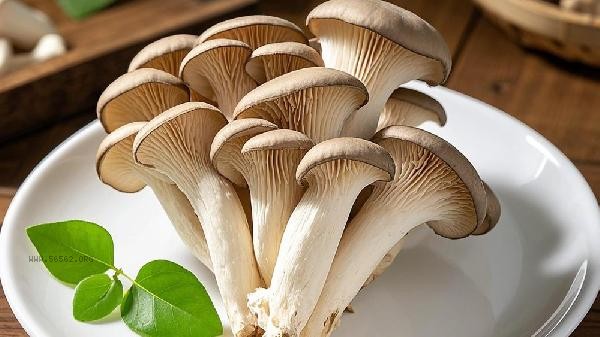
4. Remove the roots
Mushrooms such as Pleurotus ostreatus and Pleurotus eryngii often have sawdust or culture material attached to the bottom of their stems. Use a knife to directly remove 1-2 centimeters of aged roots. For wild Boletus edulis, it is necessary to check for insect damage on the roots and remove the surrounding healthy tissue of 0.5 centimeters to ensure food safety.
5. Blanching treatment
Grass mushrooms and other easily oxidized and discolored varieties can be quickly blanched for 10 seconds, which can kill bacteria and fix color. After blanching, immediately supercool to maintain crispness and tenderness, while the foam will take away some residual impurities. This method is suitable for mushrooms that require long-term cooking and can shorten the processing time in the later stage. Mushrooms should be cooked as soon as possible after cleaning, avoiding prolonged soaking or exposure to air. Wild mushrooms are recommended to be cooked at high temperatures for at least 15 minutes to break down potential toxins. For daily storage, wrap them in kitchen paper and refrigerate for no more than 3 days. Cooking with ingredients such as garlic can help identify toxicity. If abnormal color or odor is found in mushrooms, they should be discarded immediately. The cleaning methods for different varieties of mushrooms need to be flexibly adjusted according to their growth environment and structural characteristics to ensure a balance between food safety and nutrient retention.








Comments (0)
Leave a Comment
No comments yet
Be the first to share your thoughts!