
Before steaming live crabs, they need to be thoroughly cleaned and tied securely to avoid struggling, breaking legs, or contaminating the meat during steaming. The main processing steps include scrubbing the outer shell, removing visceral lumps, binding crab claws, pouring cold water into the pot, and pairing with deodorizing ingredients.
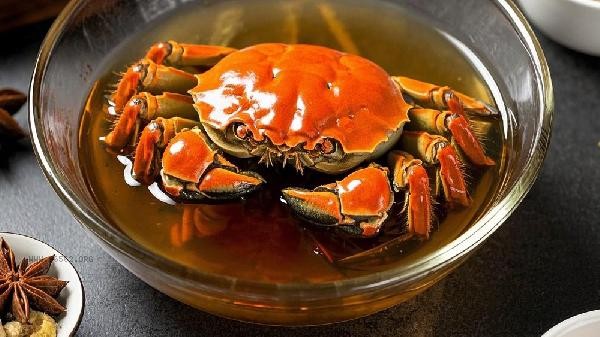
1. Brush the shell
Use a hard bristled brush to repeatedly brush the crab shell, belly and navel, and joint gaps, focusing on cleaning the attached mud, sand, and algae. When washing under flowing water, you can use chopsticks to gently poke the crab's mouth to urge it to spit out sand. If the crab shell is green and gray, shiny, and free of mucus, it is considered clean. It is recommended to soak wild crabs in diluted salt water for 20 minutes to help eliminate impurities.
2. Remove visceral masses
Open the triangular cap of the crab navel and use scissors to cut off visceral masses such as sand sacs, gill filaments, and heart along the edges. Keep the crab belly facing upwards during operation to prevent the loss of crab roe, and use tweezers to clean up any remaining black membrane like material. This step can significantly reduce the fishy smell, but those with rich yellow paste in river crabs can retain some digestive glands.
3. Binding Crab Claws
Use grass rope or cotton thread to cross tie the crab claws with the feet. For hairy crabs, the cross binding method can be used to fix the eight feet. The binding force should be limited to restrict movement, as being too tight can lead to limb amputation. If the crab claws are fierce, soak them in ice water for 10 minutes to put them into a dormant state before operating.
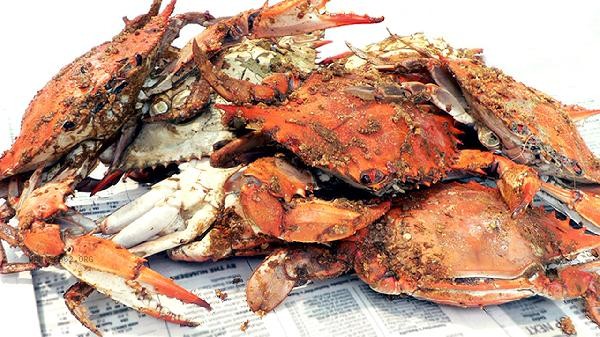
4. Put cold water into the pot
The water level of the steamer should be 3 centimeters away from the drawer board, and the crab should be placed with its belly facing up to avoid the leakage of cream. Slowly increasing the temperature of cold water can evenly heat the crab meat. After the water boils, continue steaming for 15-20 minutes. Sea crabs such as horseshoe crabs can be cushioned with perilla leaves, while river crabs are suitable for pairing with ginger slices and perilla to remove their fishy smell.
Fifth, when steaming with deodorizing ingredients [SEP], place ginger slices and scallions under each crab, and drizzle a little cooking wine or flower carving wine on the edge of the pot. Hairy crabs can be paired with chrysanthemum petals, while green crabs are suitable for steaming with tangerine peel. After steaming, immediately open the lid and let it cool to prevent water vapor from flowing back and causing the crab meat to become dry.
When handling live crabs, it is recommended to wear thick gloves to prevent pinch injuries. Dead crabs can produce histamine toxins and should be discarded. Steamed crabs can be paired with ginger and vinegar juice to balance their coldness, while those with weak digestive system can pair with brown sugar ginger tea. The remaining crab meat should be refrigerated and thoroughly heated for secondary consumption. When purchasing, pay attention to fresh individuals with sensitive crab eyes and active foaming. The mother crab paste is most plump around the ninth lunar month.








Comments (0)
Leave a Comment
No comments yet
Be the first to share your thoughts!