
The simplest method to remove walnut green skin is to use hot water soaking or natural air drying. The main methods for removing walnut green skin include hot water soaking, natural drying, knife scraping, fermentation peeling, chemical soaking, etc. Choosing the appropriate method can improve efficiency and maintain walnut integrity.
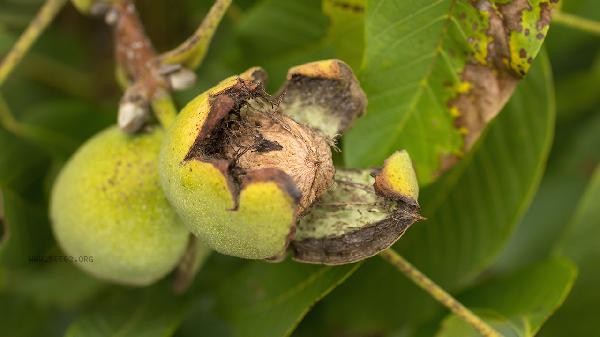
1. Hot water soaking
Soak walnuts with green skin in boiling water for about 10 minutes. High temperature will soften and expand the green skin tissue. After removing it, put on rubber gloves and gently rub or brush the surface with a hard bristled brush. The green skin can be easily peeled off. This method is suitable for small-scale processing at home, but it should be noted that high water temperature may affect the taste of walnut kernels.
2. Natural Drying
Lay fresh walnuts flat in a ventilated and dry place and air dry for 3-5 days. After the moisture evaporates, the green skin will naturally crack and shrink. At this time, wearing gloves and rubbing or tapping walnuts will cause the dry green skin to peel off in pieces. This method requires no tools and is environmentally friendly, but it takes a long time and needs to avoid mold growth caused by rainy weather.
3. Scrape off with a knife
Use a fruit knife to gently scrape the green skin along the curvature of the walnut surface, paying attention to maintaining a 30 degree angle between the blade and the shell to avoid damaging the hard shell. This method is suitable for fresh walnuts with thin green skin. During operation, the walnuts should be fixed to prevent slipping and scratching fingers. After scraping, the residual juice should be rinsed with clean water.
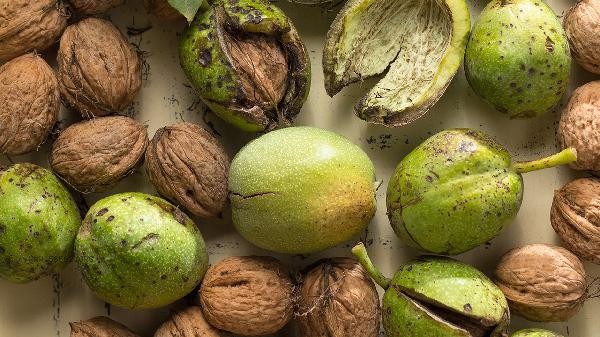
4. Fermentation and Peeling
Stack walnuts in a cool place covered with a damp cloth to maintain humidity and promote the fermentation and rotting of the green skin. After 2-3 days, the green skin turns black and soft, and can be separated by rinsing with water. This method is suitable for large-scale processing, but the fermentation time needs to be controlled to avoid producing odors that affect the quality of walnuts.
5. Chemical agent soaking
Use food grade sodium hydroxide solution to soak walnuts, and use alkalinity to dissolve phenolic substances in the green skin. The concentration and soaking time must be strictly controlled, and after treatment, it must be rinsed with a large amount of water. This method is efficient but carries security risks, and is not recommended for home use.
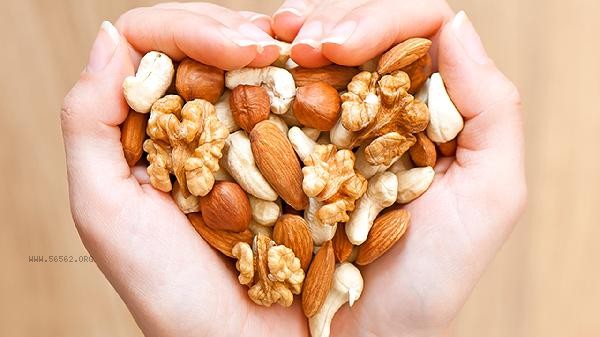
It is recommended to wear gloves when dealing with walnut green skin. Green skin juice contains tannic acid, which is easy to stain and may irritate the skin. Fresh walnuts should be dried in a timely manner after removing the green skin to prevent mold growth. The peeled raw walnut kernels can be stored in refrigeration or further dried. If you want to preserve the intact walnut shell, avoid vigorous tapping during the operation. For small amounts of edible walnuts, it is recommended to soak them in hot water to balance efficiency and safety. For large-scale processing, a combination of natural drying and fermentation methods can be chosen. Regardless of the method used, the processed walnuts should be placed in a well ventilated area and dried in the shade to ensure that the moisture content meets the standard before being sealed and stored.








Comments (0)
Leave a Comment
No comments yet
Be the first to share your thoughts!