
Removing sand from millet can be achieved through methods such as soaking and washing, wind screening, sedimentation separation, sieve filtration, and magnetic adsorption.
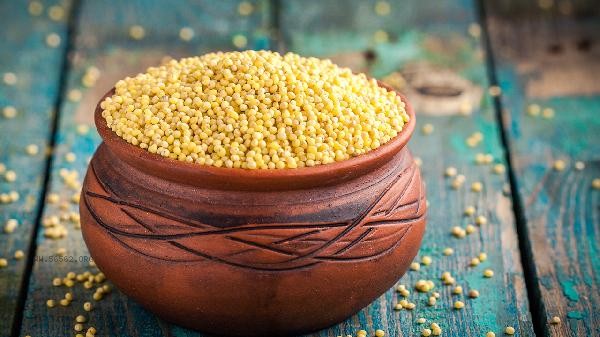
1. Soak and wash
Pour the millet into a basin and soak it in clean water. If the sand density is greater than that of the millet, it will naturally sink. Gently stir the millet with your hands to make it float, tilt the container and pour out the upper layer of millet. Repeat the process to remove most of the sand particles. Be sure to have sufficient water to prevent millet from being poured out with sand particles.
2. Wind screening
Slowly tilt the millet from a high place in a ventilated area, using wind to blow away lighter bran and dust, and heavier sand particles will fall vertically. This method is suitable for operation in dry and sunny weather, and requires the use of a shallow tray to collect pure millet.
3. Precipitation Separation
Mix millet with water in proportion and let it stand. The sand particles will quickly sink to the bottom. When the millet is suspended in water, scoop out the upper layer of millet with a spoon. If the sediment at the bottom has a high sand content, it can be directly discarded. This method requires controlling the settling time to prevent Xiaomi from absorbing too much water.
4. Screen filtration
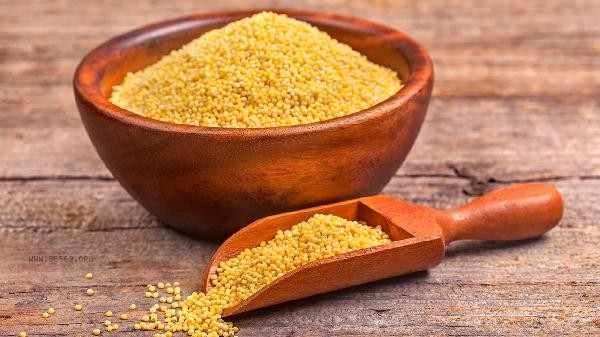
Use a 40-60 mesh screen to evenly spread the millet and gently shake it. Xiaomi particles can pass through the mesh, and larger sand particles will be intercepted. Can be combined with slight tapping of the screen frame to improve efficiency, pay attention to choosing food grade stainless steel screen mesh to avoid contamination.
5. Magnetic Adsorption
Using a magnetic rod to slowly move in scattered millet, it can adsorb magnetic impurities such as iron ore sand. Keep the magnet dry and clean during operation, and promptly remove impurities after adsorption. This method is ineffective for non-magnetic sand particles and needs to be combined with other methods.
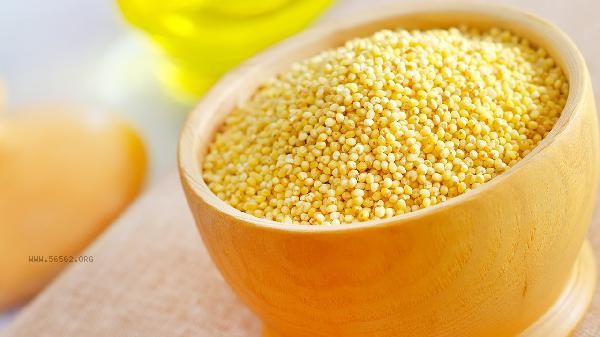
After processing, it is recommended to store the millet in a well ventilated and dry place to avoid secondary pollution. Before cooking, it is still necessary to wash and observe the clarity of the rice washing water to determine the degree of cleanliness. Long term storage should choose sealed containers and regularly check for insect infestation or moisture clumping. If a large amount of sand particles are found mixed, it is recommended to change the procurement channel to ensure the quality of the raw materials.








Comments (0)
Leave a Comment
No comments yet
Be the first to share your thoughts!