
The oil in pork can be separated and extracted by boiling, frying, or boiling. Common methods include dry frying, boiling, and low-temperature boiling.
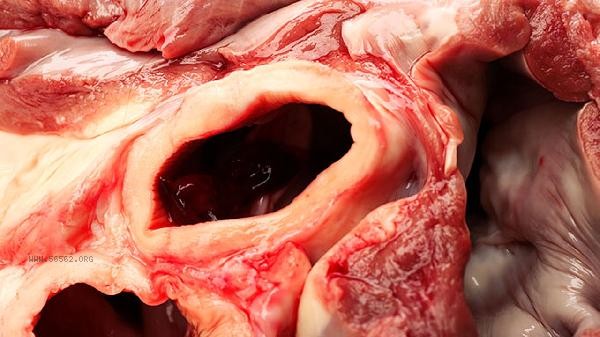
1. Dry Frying Method
Cut pork into thin slices or small pieces, put them in an oil-free pan, and stir fry over low to medium heat. As the temperature rises, fat cells rupture and oil gradually seeps out. During the process, it is necessary to constantly flip to avoid burning. When the meat color turns golden and the volume shrinks, turn off the heat and use a filter to separate the oil residue. This method is suitable for areas with more pork belly or fat, and the extracted lard has a burnt flavor, but attention should be paid to controlling the heat.
2. Water Boiling Method
Boil cold water in a pot, then reduce the heat and simmer slowly. After the fat is heated and melted, it floats on the surface of the water. After cooling, the oil condenses into white lumps, which are easy to remove. This method is suitable for simultaneous oil extraction when boiling pork or bone soup with skin on. The oil impurities are less, but the aroma is lighter. It is recommended to skim off the foam after boiling to improve the purity of the oil.
3. Low temperature boiling method
Cut the fatty meat into small pieces and place them in a pot. Add a small amount of water and slowly heat over low heat. After the water evaporates, the oil gradually precipitates and is continuously stirred until the diced meat shrinks into golden oil residue. This method has a high oil yield, clear oil color, and is suitable for making lard for baking. The temperature should not exceed 120 degrees to avoid oil oxidation.
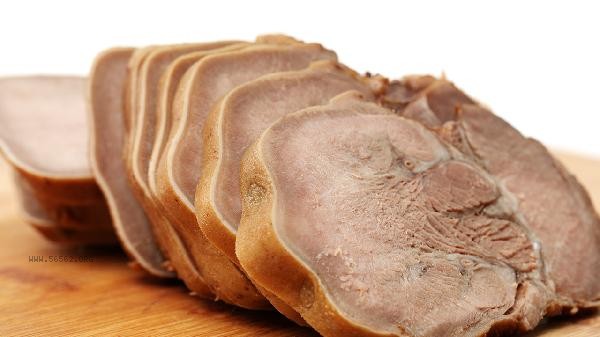
4. Oven Extraction Method
Cut the fatty meat into pieces and lay them flat on a baking tray. Bake at 150 degrees Celsius for 30 minutes, flipping halfway to ensure even heating. After the oil drips, collect it at the bottom of the baking tray and filter it before use. This method requires no supervision, thorough oil extraction, and can retain more unsaturated fatty acids.
5. Steam separation method
Place pork in a steamer and steam it. High temperature steam liquefies the fat and drips it. Collect the mixed liquid at the bottom of the steaming tray, refrigerate and separate the solidified oil on the upper layer. This method maximizes the retention of nutrients, but has a lower oil yield, making it suitable for people who pursue a healthy diet.
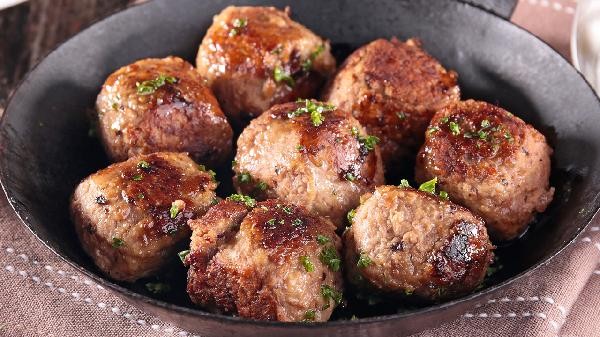
The extracted lard should be filtered and sealed for refrigeration storage. It is recommended to use it up within two months. Lard can be used for cooking and making pastries, but the daily intake should be controlled. Patients with high blood lipids or cardiovascular disease should reduce their consumption and use vegetables and fruits rich in dietary fiber to aid metabolism when cooking. If you notice a rancid or discolored taste in the oil, do not continue to consume it.








Comments (0)
Leave a Comment
No comments yet
Be the first to share your thoughts!