
To make fried dumplings crispy and delicious, the key is to control the heat and oil content, and use direct reheating. When frying, it is necessary to use low to medium heat and slowly fry, combined with a small amount of cooking oil or water oil mixing method, to evenly heat the dumpling skin and form a golden crispy shell.
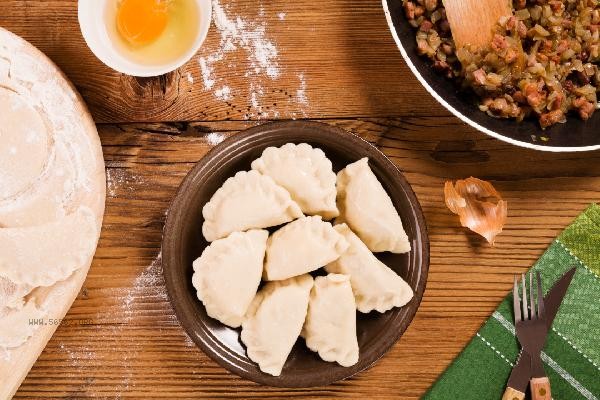
Before frying the remaining dumplings, you can take them out of the refrigerator and let them sit for a while to avoid excessive temperature difference between the inside and outside, which may cause them to become burnt on the outside and raw on the inside during frying. Preheat the pan and pour in a thin layer of cooking oil. When the oil temperature is 50% hot, neatly add the dumplings and fry over medium low heat until the bottom turns slightly yellow. At this point, pour a small amount of water along the edge of the pot and quickly cover it with a lid. Use steam to soften the filling inside the dumplings. After the water evaporates, continue frying until the bottom becomes crispy again. Sprinkle with chopped green onions or sesame seeds to enhance the aroma before serving. If you prefer a more crispy texture, you can increase the heat and quickly flip it over in the later stages of frying to evenly color both sides, but avoid excessive oil temperature that may cause burning. Some dumplings are prone to cracking due to dry and hard skin after refrigeration. Before frying, a layer of egg mixture or starch water can be lightly brushed to enhance adhesion. Frozen dumplings do not need to be thawed and can be directly fried, but the cover and braising time need to be extended to ensure that the filling is fully cooked. Attention should be paid to not using too much oil during frying, otherwise it may cause the dumplings to absorb oil and become greasy; Repeated flipping can damage the crispy skin, it is recommended to adjust the position after single-sided shaping.

It is recommended to pair fried dumplings with dipping sauces such as vinegar and chili oil to relieve greasiness, or with refreshing cold dishes to balance the taste. When storing leftover dumplings in daily life, it is recommended to pack them separately and freeze them to avoid sticking; Before frying, check if the dumplings are intact. Damaged dumplings can be used as fried dumpling pies. Controlling the frying time and temperature is the key to maintaining crispness. Adjust the heat flexibly according to the size of the dumplings and the type of filling to avoid nutrient loss or harmful substances.








Comments (0)
Leave a Comment
No comments yet
Be the first to share your thoughts!