
Fried peanuts need to control the oil temperature and time to avoid burning and maintain a crispy texture. The key steps include peanut pretreatment, oil temperature control, frying techniques, seasoning timing, and storage methods.
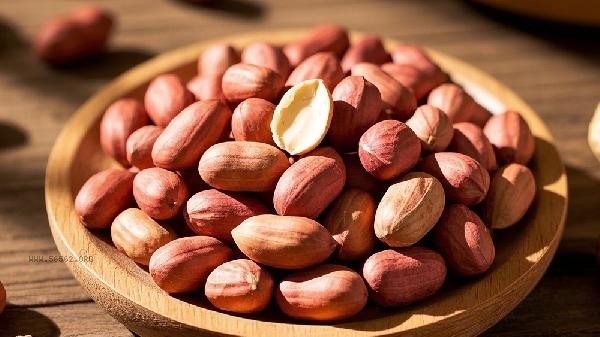
1. Pre treatment of Fresh Peanuts
Fresh peanuts should be soaked in water for 10 minutes in advance to remove surface dust and drain the water. Moist peanuts can easily cause oil droplets to splash, so kitchen paper can be used to absorb surface moisture. Peanuts with skin can be lightly rubbed and peeled, but retaining the red skin can increase dietary fiber intake.
2. Oil temperature control
Cold oil should be poured into the peanuts, and the amount of oil should completely submerge the ingredients. Slowly increase the temperature to around 150 degrees on medium to low heat, and adjust to low heat when you hear a dense crackling sound. Oil temperature exceeding 180 degrees can easily produce harmful substances such as acrylamide. It is recommended to use a food thermometer for monitoring.
III. Frying Techniques
continuously flip to evenly heat, and immediately turn off the fire when the crackling sound subsides and the color turns slightly yellow. Continue frying with residual heat for 1 minute, at which point the moisture inside the peanuts will completely evaporate. Undercooled peanuts have a soft texture and need to be left to cool before becoming crispy.
4. Seasoning Timing
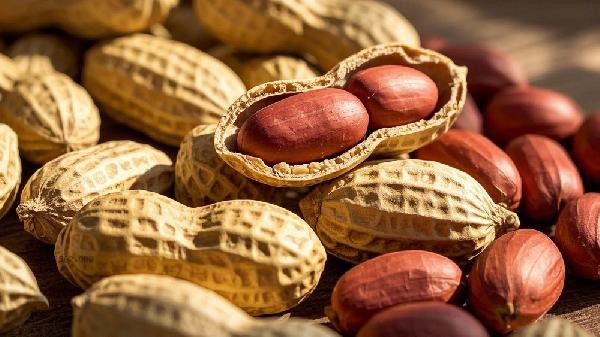
Sprinkle a small amount of salt or sugar while it is hot after it is cooked. When the temperature is too high, the seasoning is prone to uneven melting. Can be paired with spices such as Sichuan pepper powder and five spice powder, but avoid direct contact with oil to prevent coking. People with diabetes are advised to choose sugar substitute or plain food.
Fifth, Storage Method
After complete cooling, seal and store to avoid softening caused by water vapor. Adding food desiccants can extend the shelf life to 2 weeks, while refrigeration can accelerate oil spoilage. Repeatedly fried peanuts are prone to producing trans fatty acids. It is recommended to make them in moderation and consume them in moderation. Although fried peanuts are crispy and delicious, high-temperature cooking can damage some vitamin E and B vitamins. It is recommended to consume cold mixed vegetables to balance oil intake, and hypertensive patients should control their daily intake within 20 grams. Baking at 180 degrees for 15 minutes in an air fryer can serve as a low-fat alternative, retaining nutrients while reducing fat absorption by approximately 60%. Daily storage of raw peanuts should be stored in a cool place, and sprouted peanuts containing aflatoxin should be discarded.








Comments (0)
Leave a Comment
No comments yet
Be the first to share your thoughts!