
The key to frying dumplings in a non stick pan is to control the oil temperature, use appropriate tools, and master flipping techniques. There are mainly methods such as heating the pan and cooling the oil, choosing a flat bottomed pan, maintaining medium heat, using starchy water, and flipping it in a timely manner.
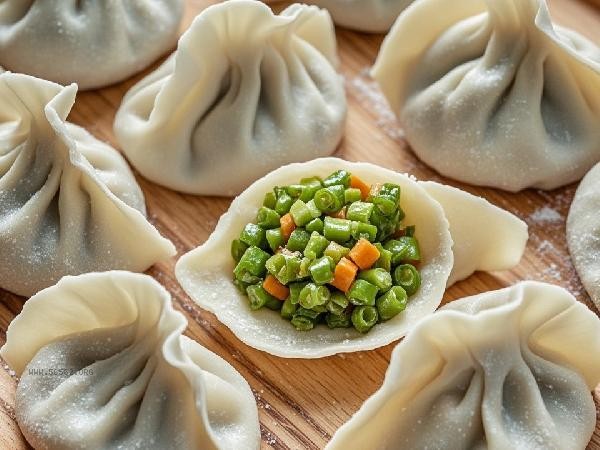
1. Hot Pot and Cool Oil
Heat an empty pot to a slightly smoky state and pour in cooking oil to form a uniform oil film on the pot body. Putting cold oil in the pot can easily cause the dumpling skin to adsorb too much oil, while a hot pot can quickly allow the oil to penetrate the micropores on the surface of the dumpling, forming a physical barrier layer. It is recommended to use high smoke point vegetable oils such as peanut oil and avoid low temperature and easily burnt oils such as butter.
2. Choose a flat bottomed pan
Coated flat bottomed non stick pans are the best choice, as they are evenly heated and have a smooth surface. If using an iron pot, it is necessary to ensure sufficient boiling and curing, while a cast iron pot needs to be preheated for a longer period of time. The diameter of the pot bottom should be larger than the range of dumpling placement to avoid uneven heating of the dumplings at the edges. A thicker pot bottom can store more heat and reduce stickiness caused by local cooling.
3. Maintain medium heat
continuously frying dumplings over medium to low heat can evenly heat them. If the heat is too high, the bottom will be burnt and the filling will not be heated. If the heat is too low, the frying time will be extended and the probability of sticking to the pot will increase. Hearing a slight sizzling sound indicates that the temperature is appropriate, and if the oil starts to smoke, it should be immediately reduced. During the frying process, gently shake the pot to observe if the dumplings can slide as a whole.
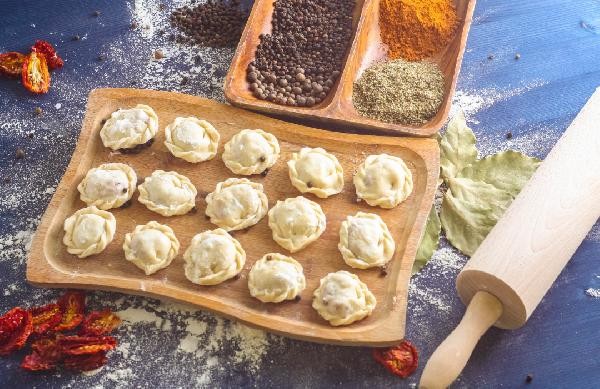
4. Before frying with starch water [SEP], pour a 1:10 mixture of starch water along the edge of the pot. After the water evaporates, a crispy ice layer is formed to isolate the pot body. A high concentration of starch water can cause clumping, while a low concentration cannot form. It is recommended to use corn starch, which has a moderate gelatinization temperature and forms a mesh structure that can effectively support dumplings. This method needs to be used in conjunction with a lid to accelerate steam circulation.
5. Flip the dumpling in a timely manner [SEP]. Wait until the bottom of the dumpling forms a complete charred shell before flipping it. Flipping it too early will damage the crispy skin during molding. Use a wooden shovel to test from the edge and flip over when it can be easily pushed. Double side fried dumplings need to reduce the single-sided time, and the frying time for reheated cooked dumplings should be controlled within 3 minutes. After frying, immediately put it on a plate to avoid the crispy skin becoming soft and sticky due to residual heat.
When frying dumplings, you can pair them with vinegar and garlic juice to relieve greasiness, or pair them with light soup to balance the taste. It is recommended to use dumpling wrappers containing wheat bran for daily use, as they are more resistant to frying and the filling should avoid excessive juice leakage. Store cooked dumplings separately and freeze them to prevent sticking. Before re frying, do not thaw and put them directly into the pot. Pay attention to the integrity of the coating on the pot body, and replace cooking tools in a timely manner if scratches appear. Control daily intake of fried foods and pair with cold vegetables to ensure a balanced diet.








Comments (0)
Leave a Comment
No comments yet
Be the first to share your thoughts!