
The key to preventing frozen dumplings from cracking is to control water loss and avoid sudden temperature changes. There are mainly five methods: rapid pre freezing, sealed packaging, humidity control, packaging techniques, and thawing methods.
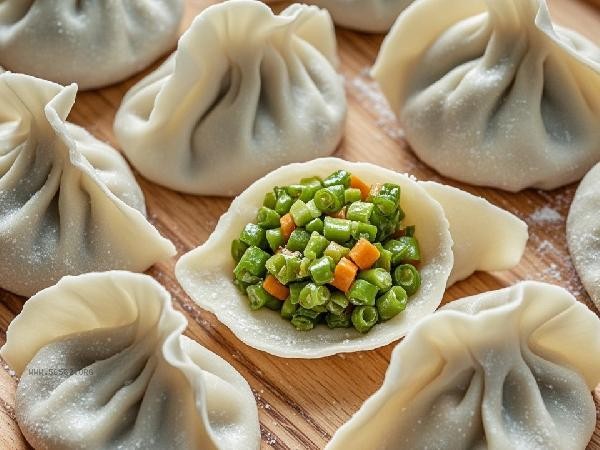
1. Quick Pre freezing
Place the wrapped dumplings in a single layer flat on a tray sprinkled with thin flour, and quickly freeze them in the freezer for 1 hour. The flour layer can absorb the surface moisture of dumpling wrappers, and rapid freezing can reduce ice crystal formation, preventing dumpling wrappers from expanding and breaking due to slow freezing. Pre freezing the dumplings and then bagging them can effectively prevent adhesion and deformation.
2. Sealed packaging
Use food grade sealed bags or vacuum packaging bags to package dumplings, remove the air inside the bag, and seal it. The sealed state can isolate the dumpling skin from direct contact with cold air, reducing the risk of frostbite. It is recommended to pack each bag with a single serving amount to avoid repeated thawing. Food desiccants can be added during packaging to absorb condensed water.
3. Control humidity
Before freezing, gently cover the dumplings with wet gauze for 10 minutes to form a uniform water film on the surface. Placing a bowl of water in the freezer to maintain a humidity of around 60% can alleviate dehydration and cracking of dumpling wrappers. However, it should be noted that high humidity can cause frost, and it is recommended to check the accumulation of frost every week.
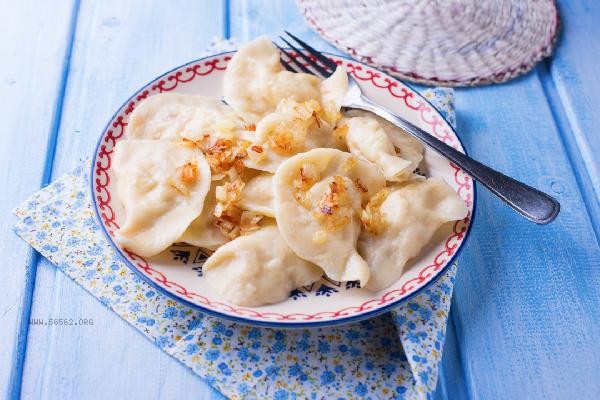
4. Packaging Techniques
Large portions of dumplings should be separated by layers, with baking paper separating each layer and stacking no more than 3 layers. Round dumplings are more resistant to freezing than square ones, and the closing area should be tightly kneaded during wrapping. Leek and other easily watery fillings need to be squeezed dry with juice first, and the recommended ratio of fat to lean for meat filling is 3:7 to maintain elasticity.
5. Thawing Method
Frozen dumplings should be boiled directly in cold water or slowly thawed in the refrigerator for 4 hours. Do not use hot water to scald or microwave to thaw quickly, as drastic temperature changes can cause cracks in the dumpling skin. Adding a little salt and oil to the water during cooking can enhance the toughness of the dough.
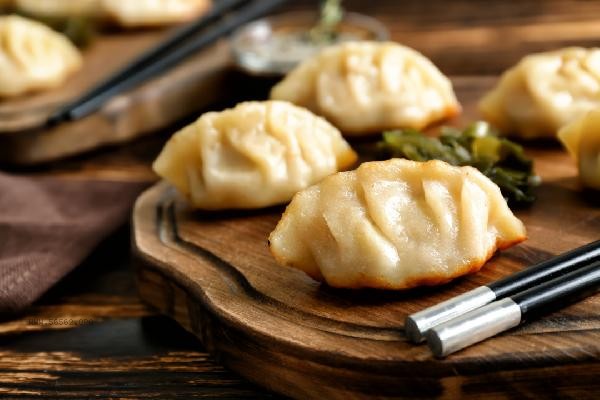
Long term storage requires monthly inspection of the condition of dumplings. If white frost or cracks appear, they should be consumed immediately. The freezing time for different fillings varies. Vegetable fillings are recommended to be consumed within one month, while meat fillings can be stored for three months. When cooking frozen dumplings, the amount of water should be sufficient. After boiling, pour cold water twice to ensure that the inside and outside are cooked together. Eating ginger vinegar juice in combination can promote blood circulation and alleviate the irritation of frozen foods on the gastrointestinal tract.








Comments (0)
Leave a Comment
No comments yet
Be the first to share your thoughts!