
Chili peppers can be frozen for preservation, which can extend their shelf life and retain most of their nutritional components. The key to cryopreservation lies in the pre-treatment and sealing methods, mainly including cleaning and removing stems, packaging and sealing, quick freezing, avoiding repeated thawing, and marking dates.
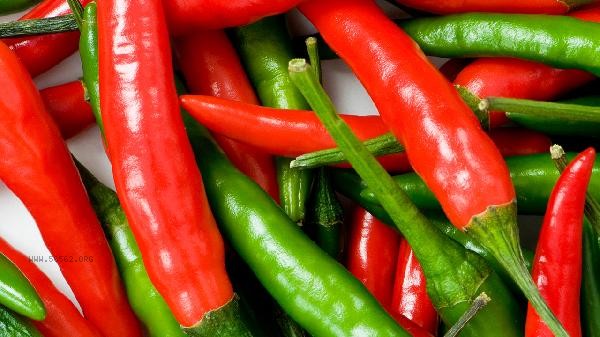
1. Clean and remove the stems
Before freezing, thoroughly clean the dirt on the surface of the chili peppers, gently rub them with running water, and then air dry or absorb the moisture with kitchen paper. Removing the stem of chili peppers can reduce the space for ice crystal formation. The stem contains a lot of moisture, which can easily produce ice residue during the freezing process and affect the taste. For varieties with thicker flesh such as red or green peppers, it is recommended to cut the seeds vertically to reduce texture changes caused by internal moisture.
2. Packaging and Sealing
According to the single usage amount, package into food grade sealed bags or freshness boxes, remove the air inside the bags, and seal them. The use of a vacuum sealing machine is more effective in preventing frostbite and odor contamination. Small chili peppers such as chili peppers can be frozen whole, while large varieties such as bell peppers are recommended to be shredded or cut into pieces and packaged for easy use in subsequent cooking.
3. Quick freezing treatment
The packaged chili peppers are placed flat in the freezer compartment of the refrigerator. Rapid freezing below minus 18 degrees Celsius can form small ice crystals, maximizing the integrity of the cell structure. Avoid stacking a large amount of fresh chili directly into the freezer, as slow freezing can cause cell rupture and softening after thawing. The quality of chili peppers processed by industrial grade quick freezing equipment is better. For household refrigerators, it is recommended to place them in a single layer and freeze them for 2 hours before storing them in a centralized manner.
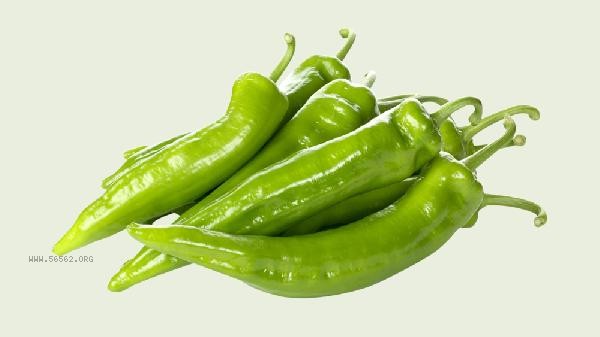
Fourth, avoid repeated thawing
Once frozen chili peppers are thawed, they should be consumed as soon as possible. Repeated freezing and thawing can accelerate nutrient loss and lead to texture decay and softening. When cooking, it can be directly put into the pot from a frozen state without the need for thawing in advance. When making chili sauce or stew, frozen peppers are easier to cook than fresh peppers, so the heating time can be shortened appropriately. When a small amount is needed, it is recommended to tap the portion of the freezer bag for use, and immediately put the remaining amount back into the freezer.
Fifth, Mark Date
Use an oil-based pen to indicate the freezing date and variety on the surface of the sealed bag. Generally, chili peppers can be frozen for 8-12 months. It is recommended to consume bell peppers such as colored peppers within 3 months, as varieties with higher spiciness can be stored for a longer period of time. Store separately from meat to prevent cross contamination, and the ideal storage location is in the middle temperature stable area of the refrigerator freezer compartment. Frozen chili peppers are suitable for making stir fried dishes, soups, sauces, and other dishes that require heating. After thawing, the cold mixed taste will become soft. There are differences in the freezing effect of different varieties of chili peppers. Thin skinned chili peppers are more suitable as side dishes after freezing, while thick skinned chili peppers are more suitable for stewing. Regularly check for frostbite or spoilage during storage, and discard immediately if there is any abnormal odor or mold. In addition to freezing, chili peppers can also be stored for an extended period through methods such as sun drying, oil immersion, and pickling, depending on cooking needs.








Comments (0)
Leave a Comment
No comments yet
Be the first to share your thoughts!