
During dieting and weight loss, ensuring regular bowel movements requires adjusting dietary structure, increasing dietary fiber intake, and moderate exercise. There are mainly ways to choose high fiber foods, replenish sufficient water, eat regularly, consume probiotics in moderation, and avoid excessive restriction of fat intake.
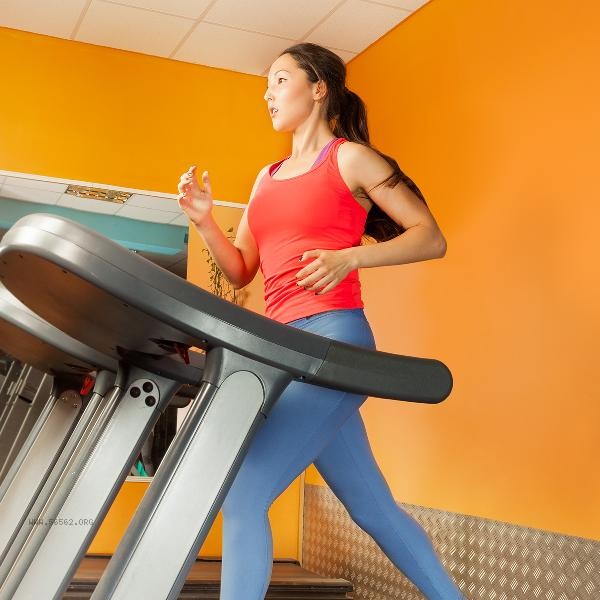
1. High fiber foods
Daily intake of 25-30 grams of dietary fiber can help promote gastrointestinal peristalsis. Oatmeal contains soluble dietary fiber that can soften feces, with approximately 10 grams of fiber per 100 grams. Broccoli is rich in insoluble fiber, with 2.6 grams of fiber per 100 grams increasing fecal volume. Whole wheat bread contains three times more fiber than refined flour products, and it is recommended to replace some staple foods. Konjac glucomannan in konjac flour swells when it comes into contact with water and can stimulate the intestinal wall to produce bowel movements.
2. Adequate drinking water
Drinking 1.5-2 liters of water per day can prevent dry stool. Drinking 300ml of warm water on an empty stomach in the morning can activate the gastrocolic reflex. Drinking 200ml of water half an hour before each meal helps with food digestion. Timely replenish water after exercise to prevent excessive absorption of intestinal water. Drink light honey water or lemon water in moderation, but avoid sugary drinks.
3. Regular eating
Setting a fixed time for three meals a day can establish a gastrocolic reflex pattern. Breakfast should include a moderate amount of high-quality protein such as eggs or yogurt. Lunch should ensure a vegetable intake of at least 200 grams. Dinner should not be too late and difficult to digest foods should be reduced. It is advisable to have a 4-5 hour interval between meals to avoid gastrointestinal dysfunction caused by prolonged fasting.
4. Probiotic supplementation
Sugar free yogurt containing Lactobacillus bulgaricus can regulate the balance of gut microbiota. The plant lactobacilli in kimchi help improve the intestinal environment. Natto bacteria can produce nattokinase to promote digestion and absorption. You can consult a doctor to use probiotic preparations such as Bifidobacterium triple active capsules. Note that probiotic supplementation needs to last for 2-4 weeks to show results.
5. Moderate fat intake
20-30 grams of healthy fat per day can lubricate the intestines and promote bowel movements. Nuts such as almonds provide 10-15 unsaturated fatty acids per day. Olive oil cold mixed vegetables can help absorb fat soluble vitamins. Avocado contains monounsaturated fat that can soften feces. It is necessary to avoid completely cutting off fat intake, which can lead to insufficient bile secretion.
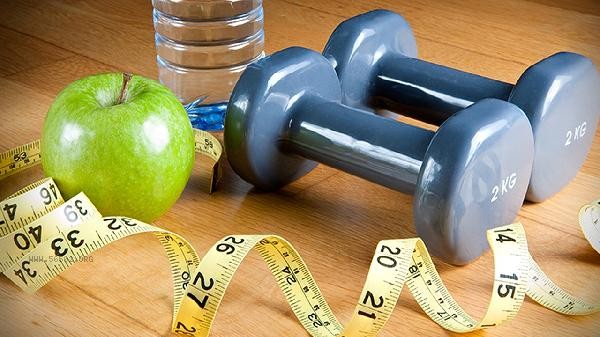
During dieting, it is recommended to maintain 30 minutes of brisk walking or yoga and exercise every day, avoiding prolonged sitting. You can try massaging the abdomen clockwise to promote intestinal peristalsis, while paying attention to recording bowel movements. If there is no bowel movement or abdominal distension for more than 3 days, it is necessary to consult a nutritionist in a timely manner to adjust the diet plan. If necessary, use laxatives such as lactulose oral solution under the guidance of a doctor. Do not rely on laxatives for a long time.








Comments (0)
Leave a Comment
No comments yet
Be the first to share your thoughts!