
The oil on beef soup can be consumed in moderation, but the intake should be adjusted according to individual health conditions. Beef soup fat is mainly composed of saturated fatty acids and a small amount of unsaturated fatty acids. Reasonable utilization can increase flavor and calorie intake. The oil on the surface of beef soup may dissolve some fat soluble vitamins and flavor substances during cooking, and directly skim them off may result in loss of nutrients. Healthy individuals can retain some fat to increase the richness of the soup, and consuming it with vegetables or whole grains can slow down the rate of fat absorption. Patients with hypertension or hyperlipidemia are recommended to use oil absorbing paper for treatment, or scrape off the solidified white fat layer after refrigeration. People who need to control their weight or have gallbladder disease should try to reduce their intake as much as possible. Animal fats solidify into white lumps at low temperatures, and this solid fat contains a high amount of saturated fatty acids. For those with weak digestive function, consuming a large amount may cause gastrointestinal discomfort. You can first refrigerate the soup and remove the surface solidified oil before heating and drinking.
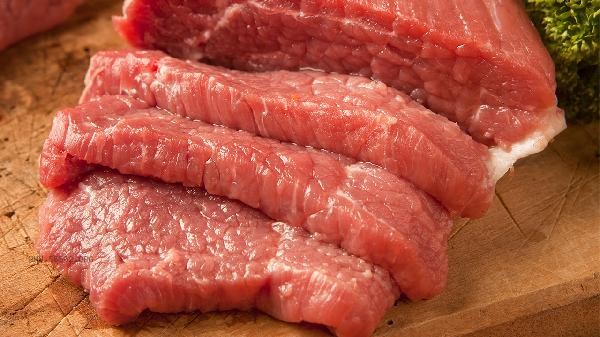
It is recommended to flexibly adjust the intake of beef soup oil according to the daily dietary structure, and pair it with vegetables rich in dietary fiber to help metabolism. When cooking, you can choose parts with a high proportion of lean meat or add oil absorbing ingredients such as white radish to balance the greasiness. Long term excessive intake of animal fat may affect blood lipid levels, and special populations should consult a nutritionist to develop personalized plans.








Comments (0)
Leave a Comment
No comments yet
Be the first to share your thoughts!