
Persimmons can be removed from astringency by soaking in warm water, ripening the fruit, and removing astringency with alcohol. The astringency mainly comes from tannic acid. Immature persimmons have a higher tannin content, which can bind with oral mucosal proteins to produce a astringent sensation.
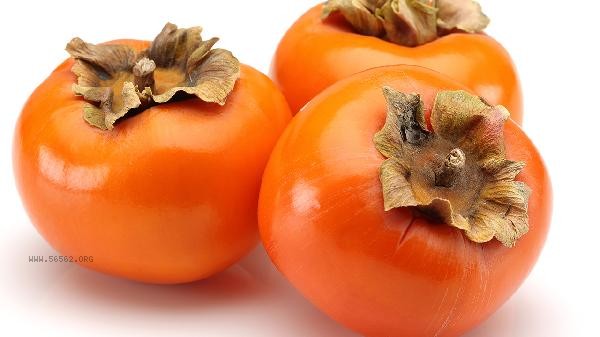
1. Soak persimmons in warm water
Soak persimmons in warm water at around 40 ℃ for 12-24 hours. The water temperature promotes persimmon respiration and accelerates tannin degradation. This method is suitable for brittle persimmons with high hardness, which require daily water change to maintain a constant water temperature and avoid microbial growth. After removing the astringency, persimmons have a clear and sweet taste while retaining a crisp texture, but should not be stored for a long time and should be consumed as soon as possible.
2. Fruit ripening
Seal persimmons, apples, bananas, and other fruits with high ethylene release for 3-5 days. Ethylene gas can activate persimmon endogenous enzymes to decompose soluble tannins. This method can naturally soften the flesh and increase its sweetness, making it suitable for making soft persimmons or persimmon cakes. Pay attention to regular inspections to avoid excessive maturation and decay.
3. Alcohol Deservation
Spray the surface of persimmons with 75% alcohol and store them in a sealed container. Alcohol vapor can damage the structure of tannin cells. After 2-3 days, the astringency will basically disappear. During operation, it is necessary to ensure that the container is sterile and the amount of alcohol used is moderate. Excessive use may cause the skin to wrinkle and shrink. This method has a high efficiency in removing astringency, but it may affect the original flavor.
4. Freezing treatment
After freezing persimmons for 24 hours, thaw them and let the low temperature break the ice crystals in the tannin cells. The meat will soften after thawing, making it suitable for making persimmon sauce or juice, but the texture will change significantly and it is not suitable for fresh consumption. The freezing temperature should be below -18 ℃ to ensure the de astringency effect. Repeated freezing and thawing will reduce the nutritional value.
5. Lime water soaking
Soak persimmons in 5% lime water for 2-3 days, and calcium ions combine with tannins to form a precipitate. The traditional method thoroughly removes astringency and extends the shelf life, but requires multiple rinses to remove lime residue. The processed persimmon has a smooth skin and is suitable for long-distance transportation and sales. People with gastrointestinal sensitivity should reduce their consumption. When choosing a de astringency method, it should be determined based on the variety of persimmons and their consumption needs. Crispy persimmons are suitable for warm water or alcohol treatment, while soft persimmons are recommended to be ripened with fruit. It is recommended to consume 1-2 dried persimmons per day to avoid consuming them with high protein foods that may affect digestion. Those with weak gastrointestinal function can take peeled food to reduce tannin intake, and diabetes patients need to control their intake. Pay attention to ventilation and moisture prevention during storage, and discard immediately if mold spots appear.








Comments (0)
Leave a Comment
No comments yet
Be the first to share your thoughts!