
Healthy consumption of lychee requires controlling daily intake and avoiding consumption on an empty stomach. It is recommended to pair it with other foods to reduce the risk of internal heat. Litchi is rich in vitamin C and minerals, but it has a high sugar content, and excessive consumption may cause discomfort.
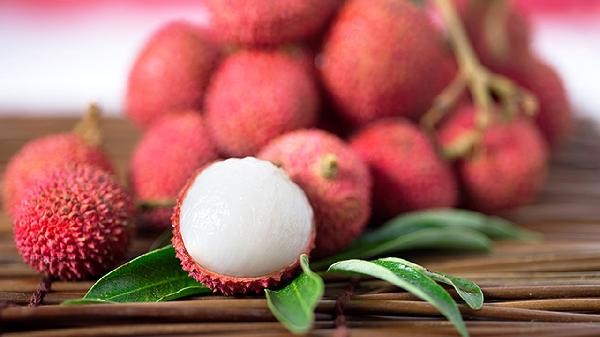
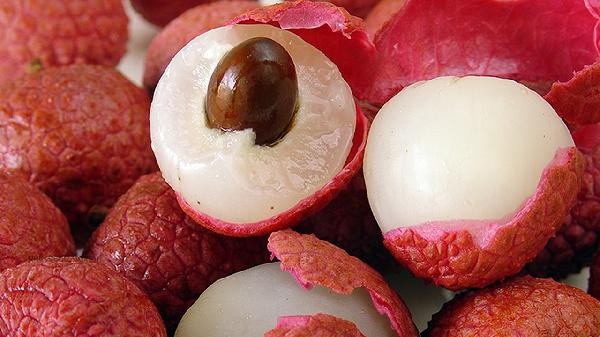
The sugar content of lychee is more than 15%. A large amount of lychee taken at one time may lead to a rapid rise in blood sugar, especially in patients with diabetes. The recommended daily intake for adults is 10-15 pills, and for children it is halved. Soaking in light salt water before consumption can reduce dryness and heat, and the white film on the fruit stem needs to be peeled off to reduce the probability of allergies. The fruit core contains trace toxins, so it is important to avoid ingestion. Eating lychee on an empty stomach may cause sudden hypoglycemic reactions, leading to symptoms such as dizziness and cold sweat. It is recommended to consume it one hour after meals or pair it with protein rich foods such as milk and nuts. Pregnant women and those with weak constitution should reduce their food intake, and it is recommended for those with weak gastrointestinal function to boil boiled water and drink it. Eating lychee with cool foods such as mangosteen and mung bean soup can neutralize heat.
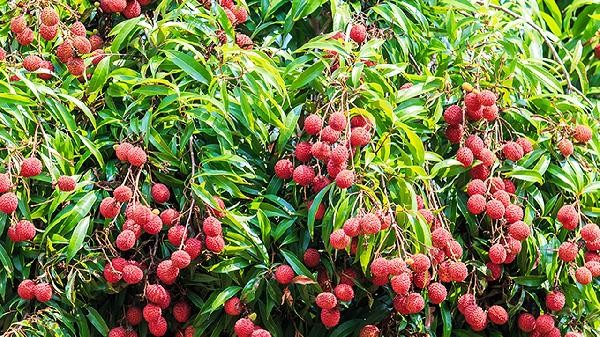
When selecting fresh lychee, observe that the skin color is uniform and the pressing is elastic, and avoid purchasing spoiled fruit with a wine smell or exudation. Retaining branches and leaves during storage can extend the shelf life, and refrigerated storage should not exceed 3 days. When symptoms such as oral ulcers and sore throat occur after consumption, drinking chrysanthemum tea or honeysuckle extract can relieve them. Special populations such as postoperative recovery patients and individuals with allergies should consume under the guidance of a physician.








Comments (0)
Leave a Comment
No comments yet
Be the first to share your thoughts!