
During the weight loss period, the effect can be achieved by adjusting the eating order, controlling the eating speed, reasonably matching the diet, choosing low glycemic index foods, and increasing dietary fiber intake. The speed of weight loss should be controlled within a reasonable range to avoid the negative impact of extreme dieting on the body.

1. Adjust the eating order
Prioritize consuming vegetables before consuming protein, and finally consume carbohydrates to help slow down the rate of blood sugar rise. The dietary fiber in vegetables can increase satiety and reduce the intake of subsequent high calorie foods. Priority should be given to low-fat and high-quality protein sources such as chicken breast, fish, and soy products.
2. Control eating speed
Chewing 15-30 times per bite can promote the transmission of satiety signals to the brain, avoiding overeating. Small tableware can be used to assist in controlling the amount of food consumed per meal, and drinking water appropriately between meals can increase the volume of stomach contents. Avoid distracting eating habits such as watching TV while eating.
3. Reasonably match diet
Maintain a reasonable ratio of carbohydrates, proteins, and fats for each meal, with a recommended ratio of 4:3:3. Choose composite carbohydrates such as brown rice and whole wheat bread as substitutes for refined staple foods, and pair them with low oil cooking methods such as steaming and blanching. Moderate consumption of nuts can provide healthy unsaturated fatty acids.
4. Low glycemic index foods
Oats, quinoa, sweet potatoes, and other low glycemic index staple foods can maintain stable blood sugar levels and reduce fat synthesis. Pairing with foods rich in vitamin C such as broccoli and kiwifruit can help with fat metabolism. Avoid consuming refined sugars such as sugary drinks and baked goods.
5. Increase dietary fiber
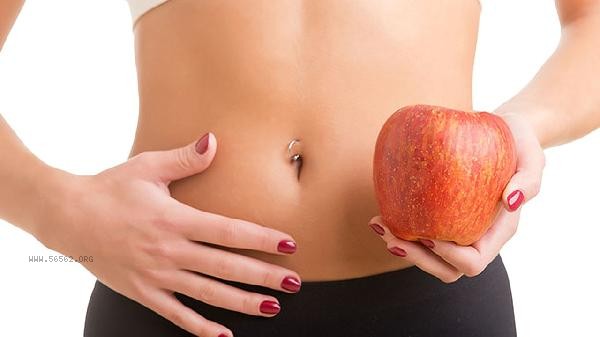
Foods rich in water-soluble dietary fiber such as konjac, chia seeds, and mushrooms can delay gastric emptying time. Daily intake of 25-30 grams of dietary fiber should be accompanied by sufficient drinking water, otherwise it may cause gastrointestinal discomfort. Chewing foods such as celery and apples can enhance satiety. During weight loss, it is recommended to drink 1500-2000 milliliters of water daily and avoid eating at night. Combining 3-5 aerobic exercises with 2-3 resistance training sessions per week yields better results. Long term dietary adjustments are more beneficial for weight management than short-term extreme dieting. If discomfort symptoms such as dizziness and fatigue occur, the weight loss plan should be adjusted in a timely manner.









Comments (0)
Leave a Comment
No comments yet
Be the first to share your thoughts!