
Wet and soft rice can be dried through heating, evaporation, refrigeration, dehydration, microwave drying, and other methods. Excessive moisture in rice may be related to factors such as excessive water content, insufficient cooking time, and rice variety characteristics. Adjusting cooking methods can effectively improve the taste.
1. Heat and evaporate
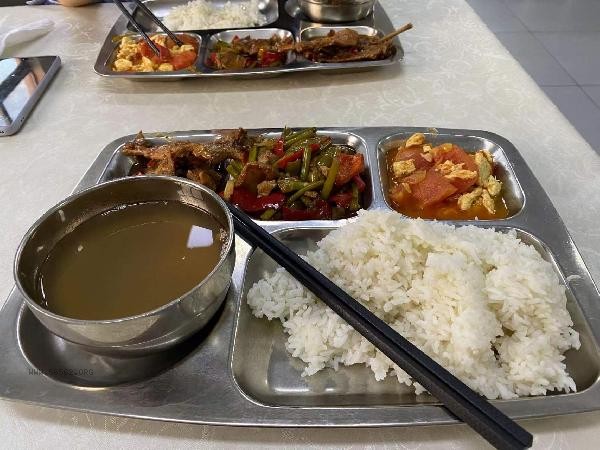
Spread the wet and soft rice flat in the pot, continuously heat it over low heat and flip it over to gradually evaporate the moisture. This method is suitable for situations where the water volume is not properly controlled when cooking with an electric rice cooker. During the heating process, avoid using high heat to prevent the rice from burning. Paired with a half open lid, it helps to release steam and takes about 5-8 minutes to restore the dry texture of the rice.
2. Refrigerated Dehydration
Spread the rice and place it in the refrigerator compartment. The low temperature environment will accelerate starch retrogradation and water analysis. After being refrigerated for 2-3 hours, the surface moisture of the rice decreases and the clumps become loose. This method is suitable for overnight rice processing. After refrigeration, it can be gently broken up with chopsticks and briefly heated before consumption.
3. Microwave drying
Wet rice is placed in a microwave oven container, covered with kitchen paper to absorb moisture, heated on medium high heat for 1 minute, then removed and mixed, repeated 2-3 times. Microwaves can quickly vaporize water, and kitchen paper can adsorb condensed water droplets. Pay attention to heating for no more than 1 minute each time to avoid local overheating and hardening.
4. Oven drying
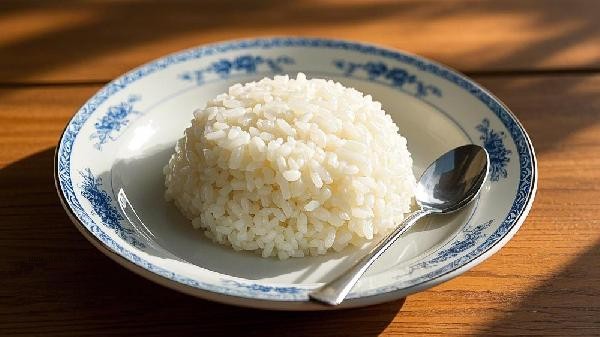
Spread the rice evenly on a baking tray and bake at a low temperature of 80-100 ℃ for 10-15 minutes. The hot air circulation in the oven can evenly evaporate moisture, making it suitable for processing large amounts of rice. During the baking process, it is necessary to flip the rice grains 1-2 times and observe their loose and dry state. Overbaking can cause the texture to harden.
5. Secondary steaming
Use a steaming basket to place gauze on top, loosen and spread out the wet rice, steam on high heat for 5 minutes to allow excess water vapor to evaporate. Steam permeation can redistribute internal and external moisture, making it less prone to clumping than direct heating. After steaming, immediately spread it out and let it cool. The rice grains will regain their elasticity and are suitable for processing sticky glutinous rice.
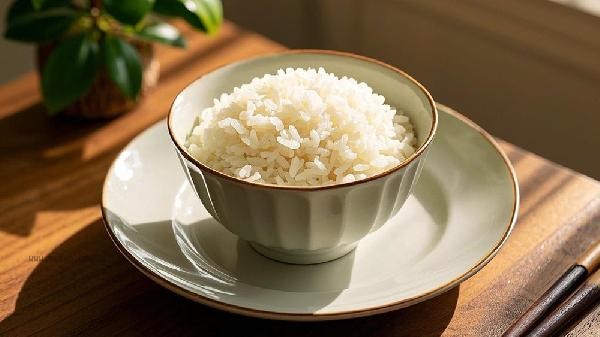
It is recommended to add water accurately according to the rice water ratio of 1:1.2 when cooking rice in daily life, and the amount of water can be appropriately reduced for new rice. After cooking, let it simmer for 10 minutes before opening the lid. Use a rice spoon to loosen and dissipate heat. There are differences in water absorption rates among different rice varieties, with Northeastern rice requiring less water and Southern indica rice requiring slightly more. Leftover food should be stored in a sealed and refrigerated container, and a small amount of water should be sprinkled during reheating to prevent it from drying out. If the rice is excessively wet for a long time, check whether the sealing ring of the rice cooker is aging and causing condensation water to reflux.








Comments (0)
Leave a Comment
No comments yet
Be the first to share your thoughts!