
Distinguishing whether pork is fresh can be comprehensively judged by observing color, smelling odor, touching texture, checking elasticity, and checking fat status. Fresh pork is usually light red or pink in color, with a slightly dry and non stick surface, a slight fishy smell but no odor, and can quickly rebound after pressing. The fat part is white and shiny.
1. Observe the color
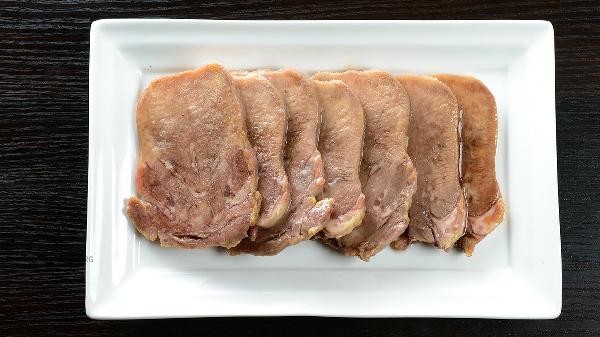
Fresh pork muscle tissue presents a uniform light red or pink color, with a natural luster on the surface, and the fat part is milky white. If the color of pork appears dark, gray, or abnormally dark red, it may be stored for a longer period of time. Rotten pork may have green or brown spots, with a sticky or shriveled surface. Pay attention to the possibility of color distortion in lighting environments, it is recommended to observe under natural light.
2. Smell
Fresh pork has a slight bloody or fishy smell, but there is no obvious odor. Rotten pork will emit a sour, putrid, or ammonia odor, which will worsen with the degree of spoilage. Pork can be lightly sniffed close to the nose. If the odor is pungent or uncomfortable, it may have spoiled. Partially frozen pork may have a slight increase in fishy odor after thawing, but it should not have any signs of spoilage.
3. Touch Texture
Gently press the surface of the pork with your fingers. The fresh meat is firm and elastic, and the depression will immediately recover when pressed. The surface is slightly moist but not sticky to the hand. The texture of spoiled pork is sticky, and it is difficult to recover the depression after pressing. The surface may have a smooth feeling or obvious liquid leakage. When touching, pay attention to whether the meat is loose. Fresh pork has tightly arranged muscle fibers, and the tissue structure will be damaged after spoilage.
4. Check elasticity
Press the thicker part of the pork with your fingertips and release it. Fresh pork can quickly rebound to its original state, and the muscle tissue remains intact. Pork stored for too long has decreased elasticity, leaving obvious finger marks after pressing and slow recovery. Elasticity testing can be carried out in conjunction with touch, with a focus on checking the center of the meat piece, where the rate of spoilage is usually faster than the surface.
5. Check Fat Status
Fresh pork fat appears milky white or light yellow in color, with a delicate and glossy texture, and a clear boundary with muscle. Oxidized and spoiled fat will turn yellow and dry, and may have a crackling taste. In severe cases, it may appear light green. If there is separation or granulation of fat at the junction of fat and muscle, it indicates a decrease in freshness. The pigskin should have no abnormal spots and clear visible pores.
It is recommended to choose regular supermarkets or markets when purchasing pork, and pay attention to checking the quarantine certificate. Household storage should be packaged and refrigerated for no more than 2 days, and frozen storage should be sealed to avoid repeated thawing. Before cooking, check the meat quality again and stop eating immediately if any abnormalities are found. Pork can be paired with fresh vegetables in daily diet to enhance nutritional value and aid digestion and absorption. After processing raw meat, it is necessary to thoroughly clean hands and kitchen utensils to avoid cross contamination.








Comments (0)
Leave a Comment
No comments yet
Be the first to share your thoughts!