
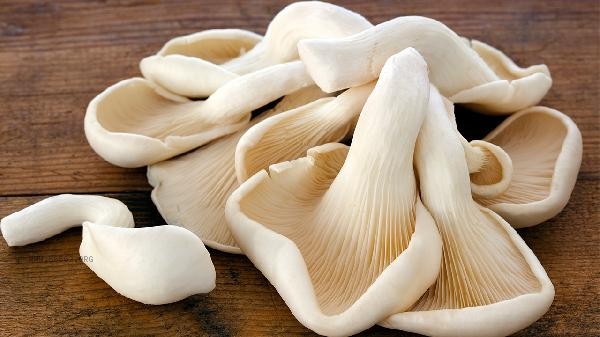
To determine whether mushrooms can be consumed, it is necessary to comprehensively observe their morphological characteristics, growth environment, and professional identification. Consuming poisonous mushrooms by mistake may lead to serious poisoning or even death. Common edible mushrooms include shiitake mushrooms, shiitake mushrooms, and enoki mushrooms, while poisonous mushrooms may have dangerous characteristics such as bright colors, white gills, and obvious mushroom trays.
1. Morphological characteristics
Edible mushrooms usually have a dry and smooth cap surface, mainly gray brown or light brown in color, and gills that are light yellow or pinkish brown. Poisonous mushrooms often have brightly colored caps, such as red and purple, with some surfaces that are sticky or scaly, and gills that are mostly white. Highly toxic species such as deadly Amanita mushrooms have distinct fungal ring and tray structures, while edible mushrooms rarely possess both of these characteristics simultaneously.
2. Odor and texture
Safe mushrooms often emit a fragrant or woody odor, with a tight and elastic texture. Poison mushrooms often have pungent odors such as decay and bitter almond flavor, and some may change color or secrete milky white juice after injury. However, certain highly toxic species such as death caps have a mild odor and need to be judged in conjunction with other characteristics.
3. Growing Environment
Edible fungi often grow in clean broad-leaved forests or artificial cultivation substrates. Poisonous mushrooms are commonly found in damp and shady areas with abundant humus, and some coexist with specific tree species. When collecting in the wild, it should be noted that mushrooms with similar appearances in the same area may have differences in toxicity.
4. Professional identification
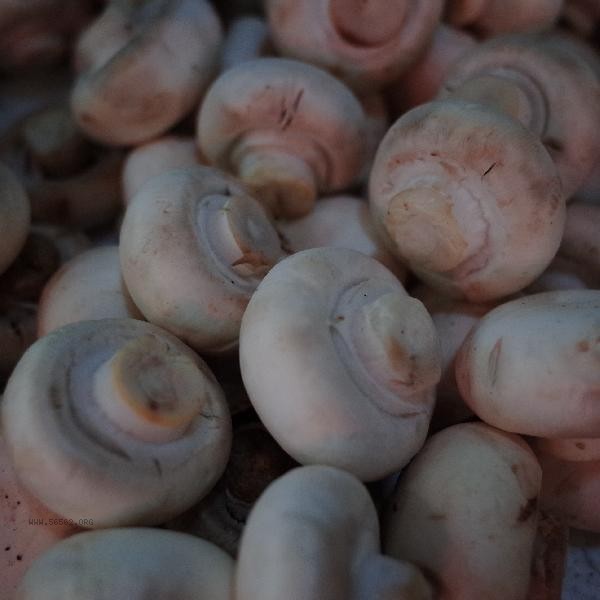
Observing spore morphology under a microscope is an authoritative identification method, and folk methods such as silver discoloration and rice discoloration are not scientifically based. It is recommended to purchase artificially cultivated varieties through regular supermarkets, and wild mushrooms must be appraised by professional institutions certified by the food and drug supervision department.
5. Poisoning treatment
After ingesting poisonous mushrooms, symptoms such as nausea and hallucinations may occur, and vomiting should be immediately induced and the sample should be kept and sent to the hospital. Medical institutions commonly use drugs such as atropine and penicillin for detoxification, and in severe cases, blood purification treatment is required. Do not easily believe in folk detoxification remedies. You must seek medical attention within the 6-hour golden treatment period.
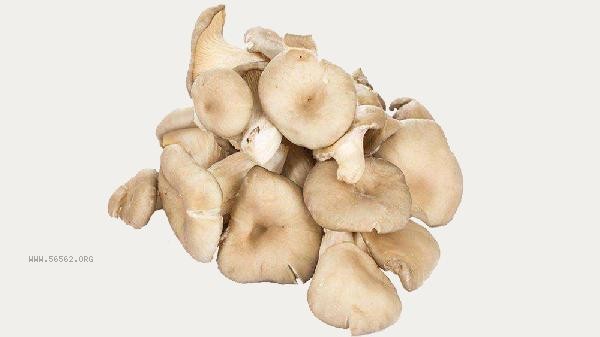
It is recommended to choose commonly cultivated edible mushrooms for daily diet and avoid picking unfamiliar varieties. Thoroughly heat before cooking, as some edible mushrooms may also cause discomfort when eaten raw. Educate children not to touch mushrooms casually during outdoor activities, and report suspicious species to the forestry department in a timely manner. Mushrooms should be refrigerated and consumed as soon as possible, as spoiled mushrooms may produce harmful substances.








Comments (0)
Leave a Comment
No comments yet
Be the first to share your thoughts!