
Distinguishing whether mushrooms are poisonous requires comprehensive observation of morphological characteristics, growth environment, and professional identification, rather than relying solely on a single feature for judgment. The main characteristics include abnormally bright colors, discoloration of gills, presence of fungal rings or trays on the stem, pungent odor, and abnormal secretion of fluid after injury.
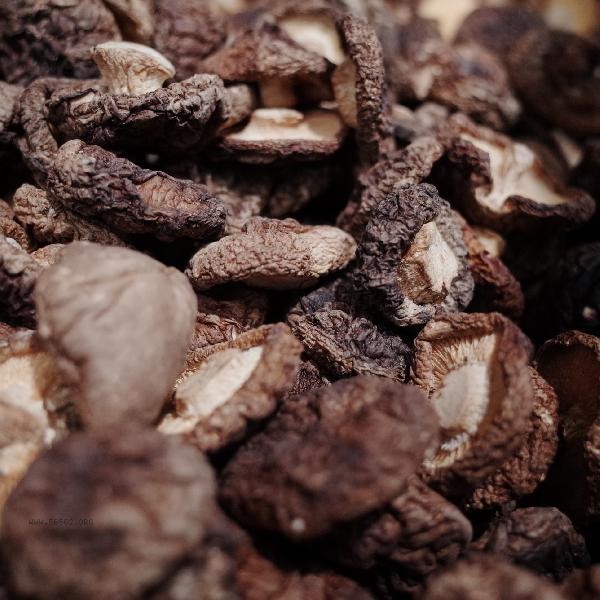
1. Abnormal Bright Colors
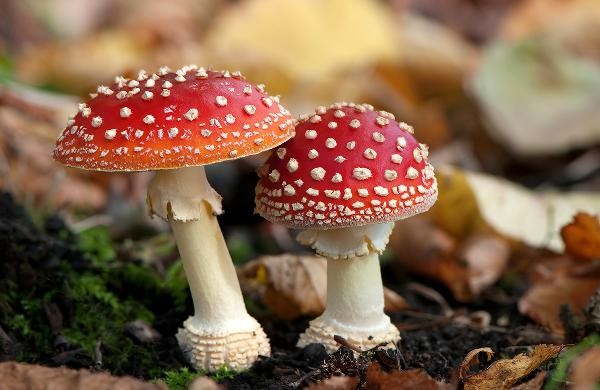
Some poisonous mushrooms have abnormal colors such as bright red, orange, or purple, but not all bright mushrooms are poisonous. For example, the poisonous fly umbrella appears bright red with white spots, and edible red mushrooms also have red varieties. The color is only for preliminary reference and needs to be judged in conjunction with other features.
2. Bacterial gill discoloration
Toxic mushrooms may experience discoloration reactions, such as turning blue, black, or oozing milky white juice, when their gills are compressed or damaged. But some edible mushrooms such as Boletus edulis can also turn blue due to oxidation and need to be distinguished through professional testing. Ordinary consumers should not rely on this method.
3. The stipe has a fungal ring or holder
Many highly toxic Amanita mushrooms have a double layered bacterial holder and ring structure, such as the deadly white umbrella. But some edible mushrooms such as shiitake mushrooms also have mushroom rings, while the highly toxic flesh brown scale ring mushroom has no obvious mushroom tray. This feature needs to be judged in conjunction with the microstructure.
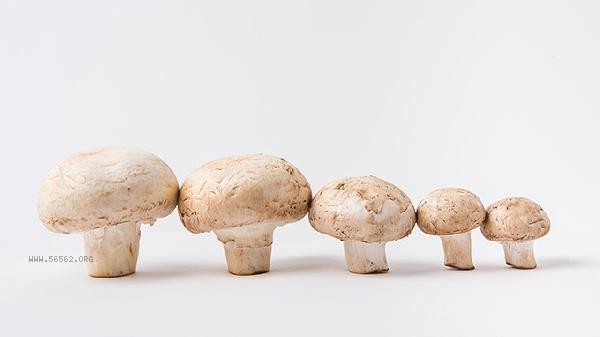
4. Stinky Odor
Some poisonous mushrooms may emit a stimulating odor similar to chemicals, carrion, or bitter almonds, such as the poisonous powdery fungus which has a strong radish flavor. However, odor identification is greatly influenced by subjective factors, and some edible mushrooms such as matsutake also have special odors that cannot be used as independent judgment criteria.
5. Secretion of abnormal fluid after injury
Toxic mushrooms may secrete milky white, yellow, or purple liquid after damage, such as ink ghost umbrellas that will liquefy and turn black. But some edible shiitake mushrooms also secrete milk, which needs to be identified through professional methods such as liquid oxidation and discoloration rate.
It is recommended that ordinary people avoid self consuming wild mushrooms and choose legitimate market channels when purchasing. If you experience symptoms such as nausea and vomiting after ingesting poisonous mushrooms, you should immediately bring the remaining samples to seek medical attention. Usually, it is possible to participate in fungal knowledge training and use professional reference apps to assist in identification, but ultimately it still needs to rely on professional institutions for testing. During outdoor activities, children should be educated not to touch unknown mushrooms at will and to wash their hands promptly after contact.








Comments (0)
Leave a Comment
No comments yet
Be the first to share your thoughts!