
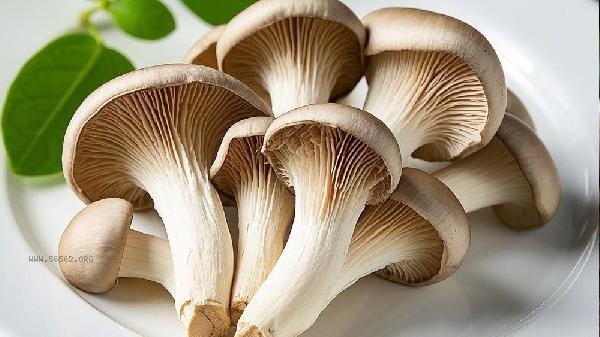
To determine whether a mushroom is poisonous, it is necessary to observe its color, odor, gills, stem, and other characteristics to avoid picking unfamiliar wild mushrooms. Poison mushrooms are usually brightly colored, have a peculiar odor, have blackened gills, and have a mushroom holder or ring at the base of the stem. However, some poisonous mushrooms have a similar appearance to edible mushrooms. It is recommended to ensure safety through professional identification or purchasing mushrooms from legitimate channels.
1. Color
Poisonous mushrooms often have bright colors, such as red, orange, or purple, which may be warning signals for toxins. Some poisonous mushrooms may have spots or stripes on their surface, with uneven color distribution. But not all brightly colored mushrooms are poisonous. For example, edible red mushrooms have a bright red color but are non-toxic, while highly toxic white mushrooms have a white appearance and color cannot be the only criterion for judgment.
2. Odor
Poisonous mushrooms often have a pungent chemical, bitter almond, or putrid odor, and some may emit a strange smell similar to that of radish or potato sprouts. Edible mushrooms often have a fragrant or earthy aroma. But some highly toxic Amanita mushrooms have a light odor, while edible matsutake mushrooms have a special odor that needs to be judged comprehensively based on other characteristics.
3. Mushroom gills
Poisonous mushroom gills may present abnormal colors such as black and dark purple, and are prone to discoloration or exudation of milky white juice upon touch. Some poisonous mushrooms have tightly arranged gills and fragile texture. Edible mushroom gills are often white or light yellow in color, but it should be noted that the gills of Amanita mushrooms are also white and cannot be judged solely based on this characteristic.
4. Stems
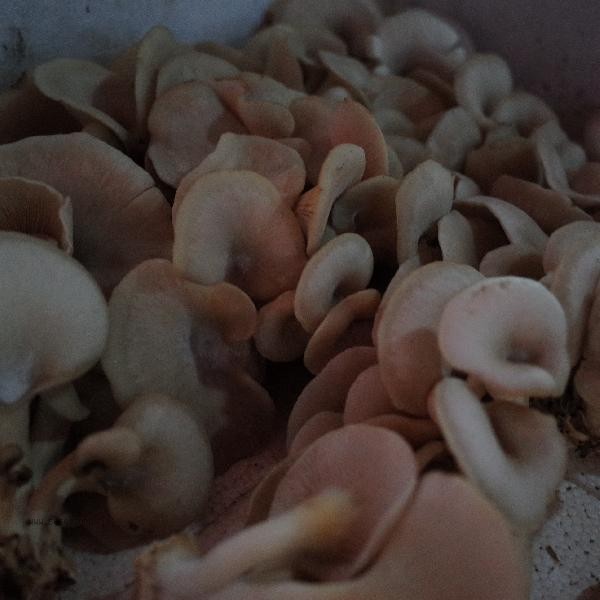
Poisonous mushrooms often have cup-shaped or circular fungal rings at the base of the stem, which is a typical feature of poisonous mushrooms in the Amanita family. Some poisonous mushrooms have hollow stalks or are prone to longitudinal tearing. But some edible mushrooms also have fungal rings, and the highly toxic white fungus may be buried underground and difficult to find when young.
5. Growing Environment
Poisonous mushrooms often grow in dark and damp places, such as near decaying wood and animal feces. But some edible mushrooms also grow in similar environments, while some poisonous mushrooms may appear on the edges of grasslands or forests. The growth environment can only serve as an auxiliary reference and cannot be used as a basis for judgment.
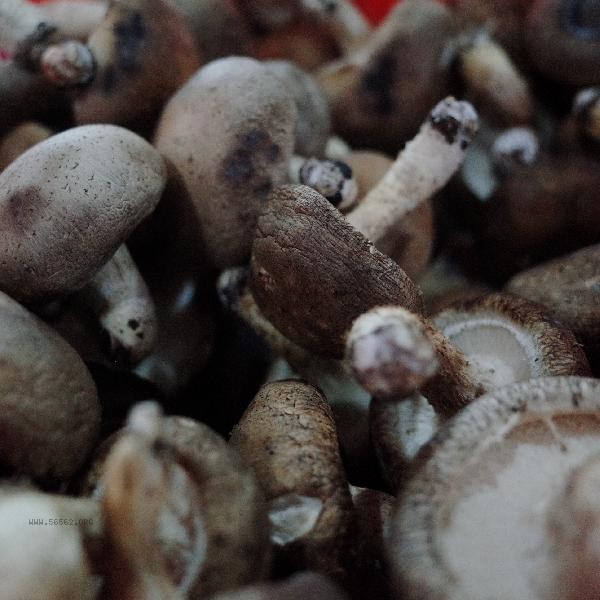
There are many types of wild mushrooms, and many poisonous mushrooms have similar shapes to edible mushrooms. The folk identification methods are not reliable. It is recommended not to pick and consume unfamiliar mushrooms at will. When purchasing, choose varieties sold in regular markets. If you experience nausea, vomiting, and other symptoms after ingesting poisonous mushrooms, you must immediately bring the remaining mushroom samples to seek medical attention. Do not induce vomiting or take medication on your own. Daily diet can choose safe varieties such as artificially cultivated shiitake mushrooms and shiitake mushrooms. Adequate heating before cooking can help reduce the risk of some toxins.








Comments (0)
Leave a Comment
No comments yet
Be the first to share your thoughts!