
Brewing vinegar and blended vinegar can be identified by observing color, smelling smell, looking at foam, looking up ingredients list, measuring acidity and alkalinity, etc. The color of the brewing vinegar is natural and bright, with the mellow smell of grain fermentation. After shaking, the foam is fine and lasting. The ingredients list only contains grain and water, and the pH value is low; Blended vinegar turns black or yellow, with pungent sour taste. The foam dissipates quickly. The ingredients contain glacial acetic acid or additives.
1. Observe the color
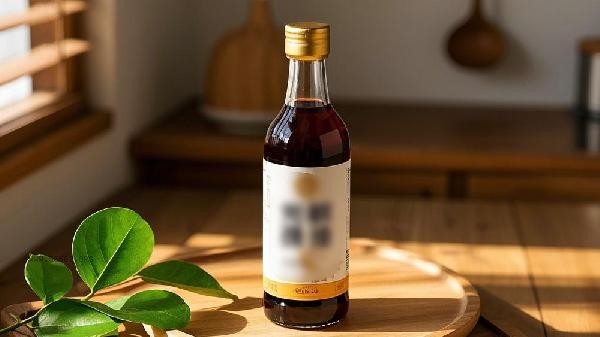
Brewed vinegar appears amber or reddish brown, with good transparency, uniform and glossy color, and may have a small amount of sediment at the bottom. The color of blended vinegar tends to be black or yellow, with poor transparency. Some products appear too dark and unnatural due to the addition of caramel color.
2. Smell
Brewing vinegar has a complex aroma produced by grain fermentation, such as sorghum aroma, bran aroma, etc., with a soft sour taste and a sweet aftertaste. Blended vinegar has a single and pungent smell, with obvious irritating vinegar taste, lacking the sense of grain fermentation, and some products will have an uncoordinated chemical smell after adding essence.
3. Look at the foam
shake behind the bottle. The foam produced by brewing vinegar is delicate and rich, lasting for a long time, and the foam layer can remain for several minutes. Blended vinegar foam is large and sparse, and usually disappears quickly within 30 seconds. Some products containing thickeners have a lot of foam, but it is gelatinous.

4. Check the ingredient list
The brewing vinegar ingredient list only indicates water, grain, and salt, and the raw materials are grains such as sorghum and rice. The blended vinegar ingredients contain glacial acetic acid, food additives, or preservatives. Some products are labeled as "brewed vinegar," but the actual proportion of glacial acetic acid added exceeds the standard.
5. pH measurement
The total acidity of brewed vinegar is between 4.5-6 degrees, with a pH value of about 2.8-3.8, and the sour taste is long-lasting and layered. The acidity of blended vinegar may exceed 9 degrees, the pH value is below 2.5, and there is a burning sensation at the entrance. Some products are diluted with water, but the acidity still appears sharp.

It is recommended to choose brewed vinegar that complies with the GB18187 standard when purchasing vinegar in daily life, and avoid long-term consumption of blended vinegar containing glacial acetic acid. High quality brewed vinegar should be sealed and stored away from light after opening, avoiding high temperature environments. Brewing vinegar during cooking is suitable for cold dishes and dipping, as it can better preserve the flavor; Blended vinegar is more suitable for high-temperature cooking due to its unstable acidity. If you find that the vinegar is cloudy, has white film, or has a noticeable odor, you should immediately stop consuming it.








Comments (0)
Leave a Comment
No comments yet
Be the first to share your thoughts!