
The quality of wine can be judged comprehensively from five dimensions: color, aroma, taste, aftertaste, and balance.
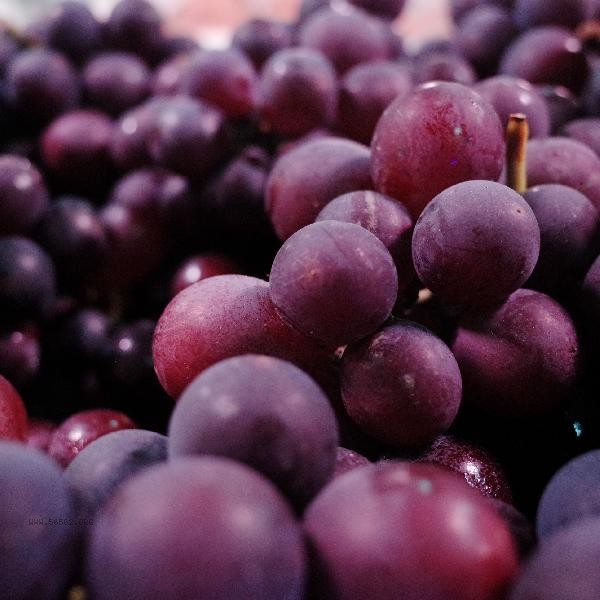
1. Color
The color of high-quality wine should be clear and transparent, with red wine presenting a ruby red or purple red tone, and white wine presenting a light golden or lemon yellow color. Observe whether the color transition between the edges and center of the wine is natural, and the edges of aged red wine will gradually turn brick red. If the wine is cloudy or has suspended solids, it may have been stored improperly or spoiled.
2. Aroma
High quality wines have rich layers of fruity, floral, or spice aromas brought by oak barrel aging. After gently shaking the glass, high-quality liquor will release a pure complex aroma without any pungent alcohol or moldy taste. Poor quality wine may have abnormal odors such as vinegar and sulfur.
3. Taste
After entering the mouth, the wine should have a full and harmonious body, smooth tannins without astringency, and a balance between acidity and sweetness. The tannins in high-quality red wine bring a delicate grainy texture, while white wine exhibits a refreshing acidity. If there is a sharp sour, bitter or alcohol burning sensation, it is usually a brewing defect.
4. Aftertaste
The time the aroma lingers in the mouth after swallowing is called the aftertaste. The aftertaste of high-quality wine can last for more than 15 seconds, and the flavor remains the same as when it enters the mouth. The aftertaste of inferior wine is brief or has a sudden bitterness and water sensation, and some cheap wines may even have a noticeable alcohol stimulation.
5. Balance
The sugar, acidity, tannins, and alcohol in top tier wines balance each other, with no one being too prominent. When tasting, feel whether the various elements are harmonious and unified, for example, sweet wine needs sufficient acidity support, and high alcohol content wine needs to have a rich flavor matching.
During daily tasting, white background paper can be prepared to observe the color of the wine, and the serving temperature should be controlled at 16-18 ℃ for red wine and 8-12 ℃ for white wine. After opening the bottle, let it sit and let it sober up. Using an ISO standard wine glass can better gather the aroma. It is recommended to record the color, aroma characteristics, and taste changes of each tasting, as long-term accumulation can improve identification ability. When purchasing, choose a legitimate channel and pay attention to checking the production area, year, and grape variety information on the wine label. Mingzhuang wine also needs to verify the anti-counterfeiting label. Keep the wine at a constant temperature and away from light during storage. Seal the unfinished wine with a vacuum plug and refrigerate it. Drink it within 3 days.








Comments (0)
Leave a Comment
No comments yet
Be the first to share your thoughts!