
The quality of wine can be comprehensively judged from five dimensions: color, aroma, taste, balance, and vintage. High quality wines typically have clear and transparent colors, rich aroma layers, delicate and harmonious taste, balanced structure, and reliable information about the production area.
1. Color
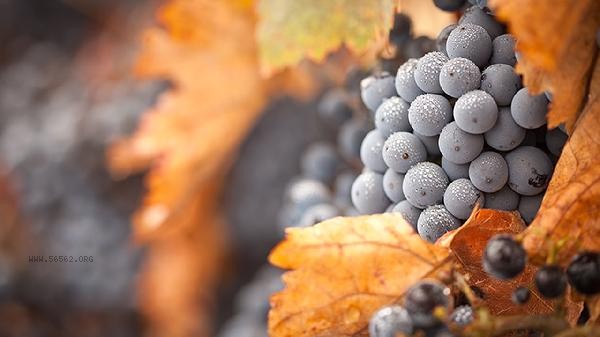
Observe whether the color of the wine is pure and transparent. Red wine will turn from purple red to brick red after aging, while white wine will transition from lime to amber. Tilt the glass at a 45 degree angle to observe the edge color bands. The edges of young red wine have a purple hue, while the edges of old wine are orange. The appearance of turbidity or abnormal precipitation may indicate improper storage.
2. Aroma
High quality wines have clear fruity, floral, or spice aromas, and distinct aroma layers. After gently shaking the glass, the primary fruit aroma should harmoniously coexist with the secondary aromas produced by fermentation such as toast, vanilla, and the tertiary aromas brought by aging such as leather and mushrooms. If there is a sour or moldy taste, it is considered a defect.
3. Taste
When tasting, pay attention to whether the tannin texture is smooth. The tannins of red wine should be as delicate as silk, and the acidity of white wine should be crisp and lively. The structure of the wine should have a skeletal feel, and the flavor should last for more than 15 seconds in the mouth. Poor quality alcohol may cause a burning sensation or separation of water sensation.
4. Balance
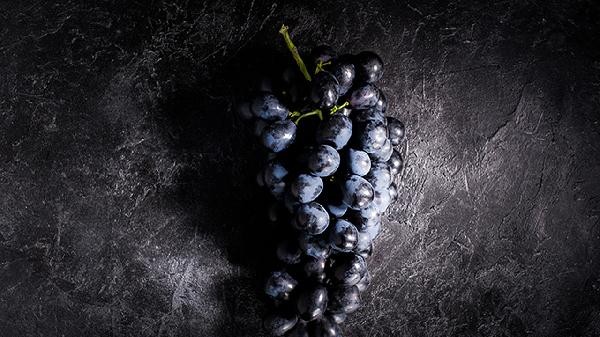
evaluates the harmony between sweetness, acidity, tannins, and alcohol, and any element should not be overly emphasized. The tannins and acidity of high-quality wine can support the fruity aroma, resulting in a clean and long-lasting aftertaste. If there is a bitter taste that lingers on the tongue or an alcohol sensation that pricks the throat, it usually indicates a defect in the brewing process.
5. Year of Origin
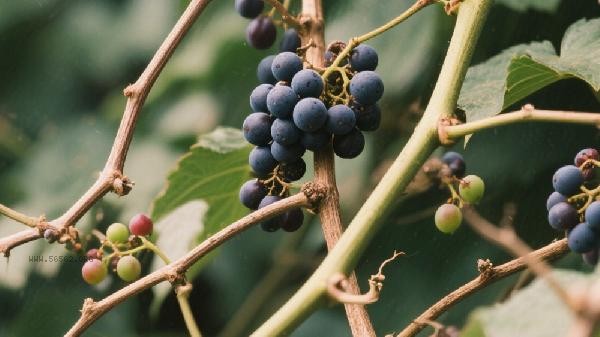
Check the wine label for the production region grade and year information. Famous production regions such as Bordeaux and Burgundy in France have strict grading systems. Grapes ripen better in years with suitable climate, but it should be noted that some wineries can still ensure quality through strict screening in ordinary years.
During daily tasting, white background paper can be prepared to observe the color of the wine, and the serving temperature should be controlled at 16-18 ℃ to better release the aroma. It is recommended to purchase through legitimate channels, store at a constant temperature and avoid light, and use a vacuum plug to store for 3 days after opening the bottle. First time tasters can compare typical wines from different regions and gradually establish a taste memory bank. Pay attention to moderate alcohol consumption, pairing it with cheese or nuts can enhance the tasting experience.








Comments (0)
Leave a Comment
No comments yet
Be the first to share your thoughts!