
Distinguishing the quality of pork can be done by observing its color, smelling its aroma, touching its elasticity, checking its fat layer, and examining quarantine signs.
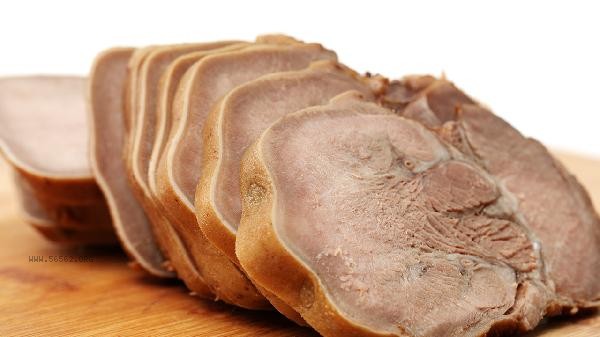
1. Observe the color
Fresh pork appears light red or pink, with a glossy surface and white or milky white fat. The color of spoiled pork appears dark, deep red or purple red, and the fat turns yellow or gray. The color of the pork injected with water is light, the muscle fibers are swollen, and there is water seepage from the cut surface. Frozen meat that has been stored for too long may experience localized greening or blackening.
2. Smell
High quality pork has a slight fishy smell but no odor, while spoiled meat may emit a sour, putrid, or ammonia odor. Dead pork may have a medicinal smell or an abnormal fishy odor. Meat that has been frozen for too long may produce a halal flavor after thawing. Fresh pork can be sniffed close to the meat pieces, but if there is a pungent odor, it should not be purchased.
3. Touch elasticity
Pressing fresh pork with fingers will immediately rebound, with a slightly wet surface but not sticky to the hand. Rotten pork does not recover after pressing, and feels sticky or greasy to the touch. After pressing the water injected pork, water seeps out and the meat becomes soft. The meat of the old sow is rough and rebounds slowly after pressing.

4. Check the fat layer.
The fat layer of healthy pigs has a uniform thickness, delicate texture, and a porcelain white color. The fat of dead pigs may turn yellow or granular. Oxidation of spoiled pork fat will result in yellow brown spots. Pork with prohibited substances added to feed may have abnormally thickened fat layers or appear unnatural in color.
5. Check the Quarantine Mark
Pork sold through legitimate channels should have a quarantine qualified seal, which is purple or blue in color. Pork without quarantine marks poses safety hazards. Merchants can be required to present a quarantine certificate of animal products. Imported pork requires inspection and quarantine certificates for incoming goods. Farmers' markets should choose legitimate merchants with fixed stalls.

After purchasing pork, it is recommended to pack it in plastic wrap and refrigerate it. It should be consumed within 2-3 days. Rinse the surface with running water before cooking, and separate the cutting board for processing raw meat from cooked food. Avoid purchasing pork at prices significantly lower than the market price, and carefully choose meat products from roadside stalls or mobile vendors. If abnormal meat quality is found, it should be immediately stopped from consumption. If any discomfort symptoms occur, seek medical attention in a timely manner. Fresh vegetables and fruits can be paired with daily diet to ensure diversified protein intake.








Comments (0)
Leave a Comment
No comments yet
Be the first to share your thoughts!