
To distinguish the quality and authenticity of sesame oil, methods such as observing color, smelling odor, tasting taste, observing sediment, and checking labels can be used. High quality sesame oil is usually reddish brown or dark brown in color, with a rich and pure sesame aroma, a mellow and slightly bitter taste, no impurities or sediment, and complete and clear label information.
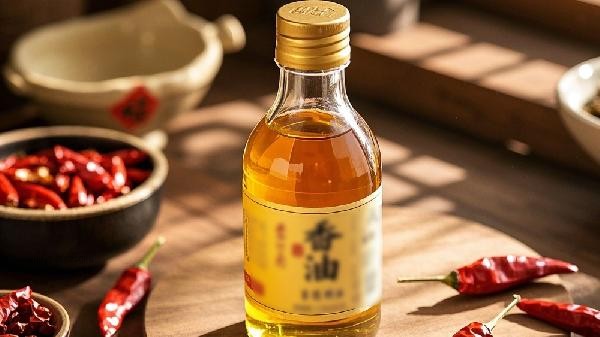
1. Observe the color.
Pure sesame oil has a reddish brown or dark brown color, high transparency, and a brief wall hanging phenomenon may occur after shaking the bottle. Poor quality sesame oil has a lighter or yellowish color, and may have been mixed with other vegetable oils, resulting in uneven or overly transparent color. adulterated sesame oil may exhibit layering or turbidity when observed under sunlight.
2. Smell
High quality sesame oil has a rich and pure sesame aroma, which lasts for a long time without being pungent. Low quality sesame oil has light fragrance or peculiar smell, which may lead to unnatural smell due to the addition of essence. After rubbing a small amount of fragrant oil in the palm of your hand, the pure fragrance of fragrant oil will become more prominent, while the scent of adulterated fragrant oil will quickly dissipate.
III. Tasting
Pure sesame oil has a strong sesame aroma in the mouth, with a slightly bitter and sweet aftertaste, and a mellow taste. The adulterated sesame oil has a weak or greasy taste, and may have a taste of other vegetable oils. You can hold a small amount of sesame oil in your mouth for a moment, and pure sesame oil will leave a lasting sesame aroma at the base of your tongue.
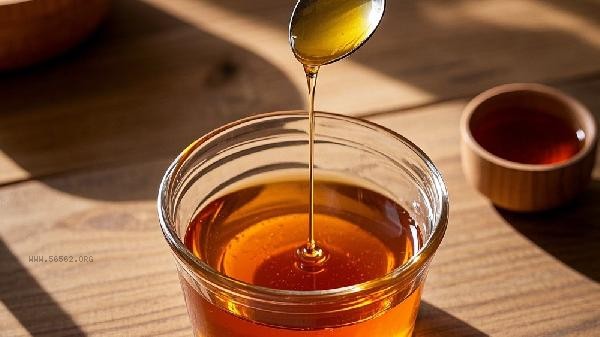
4. Look for Sediments
High quality sesame oil has no sediment or impurities after standing, and the liquid is clear and uniform. Poor quality sesame oil may have flocculent substances or sediment, indicating that other ingredients may have been added or stored improperly. Pour the sesame oil into a transparent container and let it stand for observation. Pure sesame oil will not show any layering phenomenon.
Fifth, check the label.
The label information of sesame oil produced by legitimate manufacturers is complete, including production date, shelf life, ingredient list, production license number, etc. Counterfeit product label information may be incomplete or unclear, and the ingredient list may contain non sesame oil ingredients. When purchasing, you can check the product execution standards, and pure sesame oil should be labeled with GB/T8233 standard.
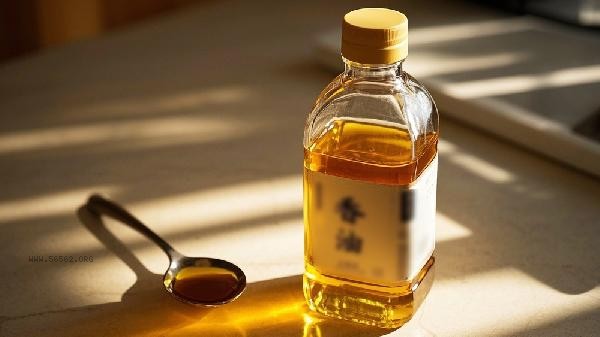
When purchasing sesame oil, it is recommended to choose reputable channels to purchase well-known brand products. After opening, it should be sealed and stored in a cool, dark place to avoid high temperatures and humid environments. Pure sesame oil is rich in nutrients, containing abundant unsaturated fatty acids and vitamin E. Moderate consumption is beneficial for cardiovascular health, but attention should be paid to controlling intake, with a recommended daily intake of no more than 25 grams. If sesame oil is found to have a rancid taste or signs of deterioration, it should be immediately stopped from consumption.








Comments (0)
Leave a Comment
No comments yet
Be the first to share your thoughts!