
Distinguishing the authenticity of shiitake mushrooms can be achieved through a comprehensive evaluation of their appearance, odor, texture, price comparison, and selection of legitimate channels. There are counterfeit shiitake mushrooms on the market that are dyed or artificially synthesized with other fungi, and caution should be exercised in identification.
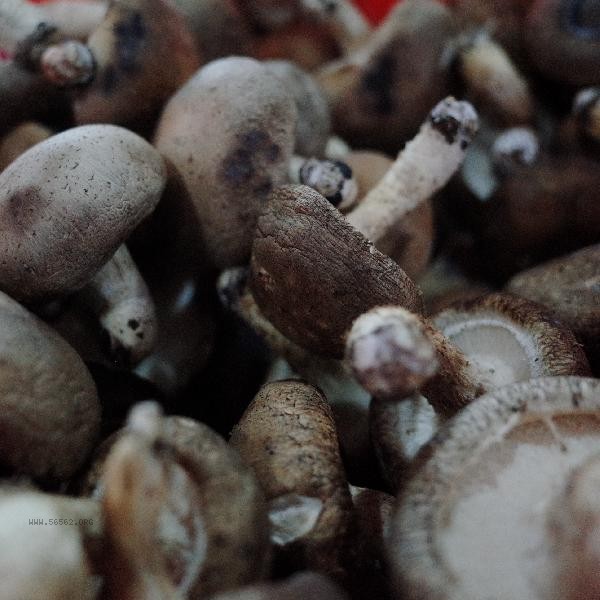
1. Appearance
The cap of the true shiitake mushroom is naturally brown in color, with radial cracks on the surface, curled edges, and uneven thickness. Fake shiitake mushrooms have overly uniform or bright colors, smooth and crack free mushroom caps, and overly regular shapes. The gills of genuine shiitake mushrooms are milky yellow to light brown in color, arranged tightly; Fake shiitake mushroom gills may appear white or have abnormal color, with loose arrangement.
2. Smell
True shiitake mushrooms have a rich and unique woody aroma, which becomes more pronounced after drying. Pseudo shiitake mushrooms may be tasteless or have pungent chemical odor, and some fake products processed with essence have too strong and unnatural odor. You can soak shiitake mushrooms in warm water. Real shiitake mushrooms release natural aromas, while fake shiitake mushrooms may cause water to change color or produce unpleasant odors.
3. Check the texture
After drying, the texture of genuine shiitake mushrooms is light and crispy, and when crushed, it falls off in flakes. After soaking, it has good toughness and is not easily broken. Fake shiitake mushrooms may have a heavy texture due to the addition of weight enhancers, resulting in a powdery texture when crushed and easily becoming mushy after soaking. The fiber of the stem of genuine shiitake mushrooms is coarse and hard, while the stem of fake shiitake mushrooms may be too soft or contain a large amount of impurities.
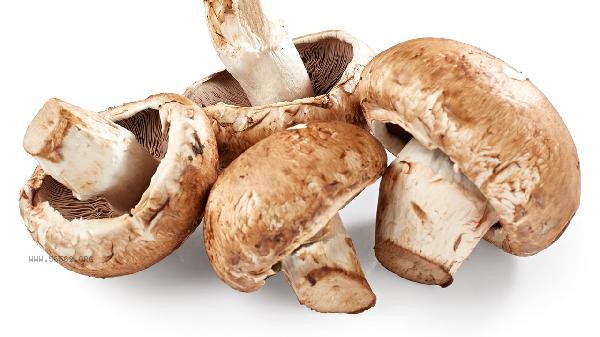
4. Price Comparison
True shiitake mushrooms are relatively expensive due to their long growth cycle and high harvesting costs. Be cautious of mushrooms that are far below market prices, especially when wild mushrooms are exceptionally cheap, which may be impersonated by artificial mushrooms. Pay attention to special promotional products, as some merchants may mix in inferior or counterfeit shiitake mushrooms.
5. Choose channels.
Prioritize purchasing from large supermarkets, brand stores, or legitimate e-commerce platforms, which have strict supply chain management. Avoid purchasing bulk shiitake mushrooms without production information or shelf life. The packaging should indicate the place of origin, production date, and food certification mark. You can view the merchant's qualifications and select products with organic certification or geographical indication.
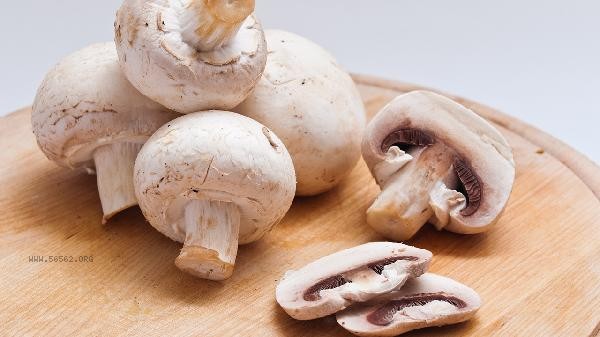
When purchasing shiitake mushrooms in daily life, you can carry a UV lamp to assist in identification. Genuine shiitake mushrooms will exhibit a special fluorescent reaction under UV light. The shelf life of genuine shiitake mushrooms is relatively long when stored in a dry environment. If mold or insect infestation is found in the short term, attention should be paid to quality issues. It is recommended to purchase a small amount for testing for the first time, observe whether the water changes color after soaking, and taste for any odor. Long term consumption of counterfeit shiitake mushrooms may lead to the intake of harmful substances and affect health. Keep the voucher after purchase and promptly report any issues to the market supervision department.








Comments (0)
Leave a Comment
No comments yet
Be the first to share your thoughts!