
Pork with a strong odor usually indicates abnormal meat quality, which may be caused by improper storage, un castrated boars, or slaughter of diseased pigs. The identification methods mainly include observing color, smelling odor, touching elasticity, checking fat status, and checking quarantine marks.
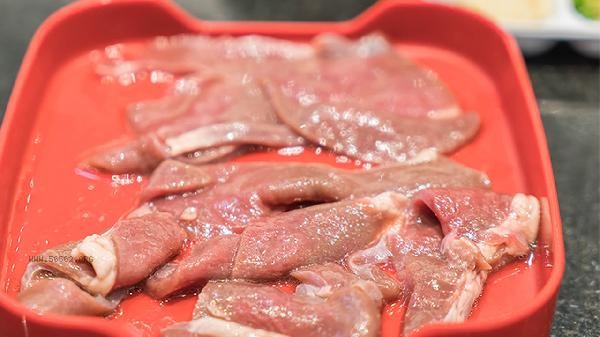
1. Observe the color
Fresh pork appears light red or pink with a glossy surface. The color of spoiled pork is dark, appearing deep red or grayish green, and there may be blood clots in some areas. If there is mucus or dehydration on the surface of pork, it is usually accompanied by odor.
2. Smell
Normal pork only has a slight bloody smell, while spoiled pork will emit a distinct sour or ammonia odor. The unique odor of boars is similar to urine odor, which is more pronounced in the fat area. Pork can be placed in warm water, as the odor will intensify and evaporate when exposed to heat.
3. Touch elasticity
Press the surface of the pork with your fingers, and the fresh meat will be firm and rebound. The indentation will quickly recover when pressed with your fingers. The texture of spoiled pork is sticky, and the depression persists after pressing. The muscle fibers are loose and easy to separate, and this type of meat is often accompanied by an unpleasant odor.

4. Check the fat status
Healthy pig fat is milky white or light yellow in color, with a fine texture and no odor. Boar fat may turn yellow and have a strong odor, while spoiled fat may turn gray in color and have a crackling taste. If there is a significant separation between fat and muscle, be alert to meat quality issues.
5. Check the quarantine mark
Pork from regular slaughterhouses is covered with a blue rolling seal quarantine mark, and there are no abnormal spots on the skin. Privately slaughtered sick pigs usually lack quarantine seals or have unclear seals, which poses a high food safety risk. It is recommended to immediately stop consuming such pork.
When purchasing pork, it is recommended to choose regular supermarkets or branded fresh meat, and avoid buying meat products with abnormal colors and pungent odors. When storing, it should be refrigerated and consumed as soon as possible, and frozen storage should not exceed 3 months. Before cooking, it can be soaked in light salt water to remove the odor, but pork with severe odor must be discarded. If you accidentally consume spoiled pork and experience abdominal pain and diarrhea, seek medical attention promptly. It is recommended to pair ginger, cooking wine, and other deodorizing ingredients with daily diet. At the same time, pay attention to separating raw and cooked cutting boards and knives to avoid cross contamination.








Comments (0)
Leave a Comment
No comments yet
Be the first to share your thoughts!