
Blended red wine can usually be identified by observing the color of the wine, smelling the aroma, tasting the taste, checking the label information, testing the hanging phenomenon, and other methods. Blended red wine may contain additives such as alcohol, sugar, and pigments, which differ in quality and health value from pure red wine.
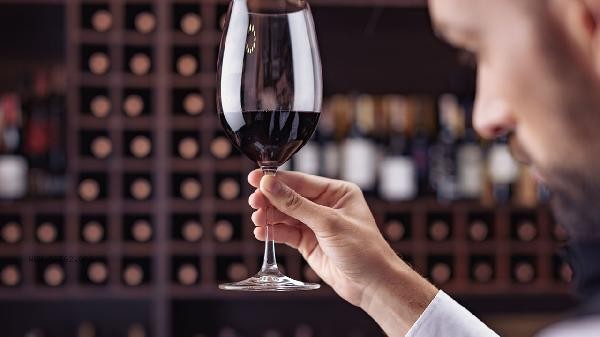
1. Observe the color of the wine
Pure red wine has a natural and uniform color, presenting a ruby red or purple red color, which gradually turns into brick red after aging. Blended red wine may have overly bright or cloudy colors, and some may exhibit unnatural color layering due to the addition of artificial pigments. Pour the liquor into a glass with a white background, tilt it to observe the edge color band. The pure brewed liquor has a soft transition, while the blended liquor may have abrupt color differences.
2. Smell the aroma
Pure red wine has a rich and layered fruity, floral, or oak barrel aged aroma, which is long-lasting and changes over time. Blended red wine has a single and pungent aroma, which may have obvious alcohol flavor or chemical essence flavor. You can let the wine glass sit for a few minutes and then smell it again. The pure wine aroma will gradually unfold, while the blended wine aroma will quickly dissipate or remain monotonous.
3. Taste
Pure red wine has smooth tannins and balanced acidity, with a lingering aftertaste and a sweet aftertaste. Blended red wine may have a sweet and abrupt taste, a burning sensation in the throat, and a short or bitter aftertaste. When tasting, the liquor can be held for a few seconds, and the pure brewing flavor will continue to be released. The blended liquor flavor will quickly fade and there may be residual chemical sensations.
4. View label information
Legitimate red wine labels will indicate the country of origin, grape variety, year, and alcohol content. Blended red wine may have unclear labeling, such as the presence of additives such as edible alcohol and caramel color. Pay attention to the production license number on the back label. Pure brewing generally has a food production license starting with SC, while blended liquor may use the production standards for blended liquor.
5. Testing the phenomenon of hanging glasses
After rotating the glass, pure red wine will slowly flow down to form uniform tears, and the duration of hanging glasses is related to alcohol content and sugar content. Blended red wine may hang abnormally densely or quickly, due to the addition of thickeners such as glycerin causing unnatural hanging. It should be noted that hanging cups is not an absolute standard and should be judged comprehensively by combining other methods.
It is recommended to choose regular channels when purchasing red wine in daily life, and prioritize checking the original bottle import label and production area information. When drinking, control the daily intake within 150 milliliters and avoid drinking on an empty stomach. Long term excessive consumption of blended red wine may increase liver burden, and it is recommended to pair it with foods such as cheese and nuts to slow down alcohol absorption. Red wine should be stored in a dark place and kept at a temperature of 12-18 degrees Celsius.








Comments (0)
Leave a Comment
No comments yet
Be the first to share your thoughts!