
Fresh pork can be distinguished as good or bad by observing color, touching elasticity, smelling odor, checking fat status, and checking quarantine signs.

1. Observe the color.
Fresh pork muscles are uniformly light red or pink in color, with a glossy surface and white or milky white fat. The color of spoiled pork is dark, appearing deep red, brownish red, or grayish green, with yellowish or grayish fat. The color of the pork injected with water is light, the muscle fibers are loose, and there is water seepage from the cut surface.
2. Touch elasticity
High quality pork can quickly rebound after pressing, with a slightly dry and non stick surface. Rotten pork is difficult to recover after being pressed and feels sticky to the touch. Frozen pork should maintain its elasticity after thawing. If a large amount of blood seeps out when pressed, it may undergo repeated freezing and thawing.
3. Smell
Fresh pork has a slight fishy smell but no odor, while spoiled pork may emit a sour, putrid, or pungent chemical smell. The smell of injected pork is faint, and some unscrupulous vendors may use bleach to mask the odor. Be alert to pungent chemical odors.
4. Check the fat status
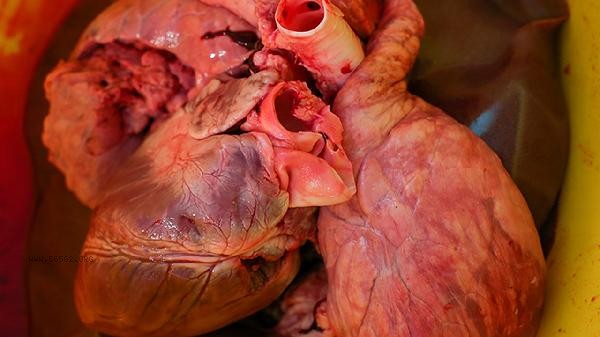
Healthy pork has a uniform fat layer with a tight and shiny texture. The fat in the dead pork appears light yellow or pink, and there may be bleeding points or granular nodules. Rotten pork fat oxidizes and turns yellow, making it fragile when touched.
V. Viewing Quarantine Marks
Pork sold through legitimate channels should have a blue quarantine inspection seal, indicating the slaughter date and quarantine qualification information. Pork slaughtered privately or from unlicensed meat stalls may carry parasites or pathogenic microorganisms, posing a food safety hazard.
It is recommended to choose regular supermarkets or branded fresh meat when purchasing pork, and avoid mobile vendors. When stored, it should be refrigerated for no more than 2 days and frozen for no more than 3 months. Before cooking, it is necessary to fully heat it to a center temperature exceeding 70 degrees Celsius to avoid cross contamination between raw and cooked food. Elderly people, pregnant women, and immunocompromised individuals should pay more attention to choosing fresh and high-quality pork to reduce the risk of foodborne diseases. If abnormal color, odor, or texture is found in pork, it should be immediately stopped from consumption.








Comments (0)
Leave a Comment
No comments yet
Be the first to share your thoughts!