
Distinguishing between good and bad blueberries mainly depends on their appearance, texture, aroma, stem condition, and storage conditions. High quality blueberries typically have evenly plump skin, a tight and elastic texture, a fragrant aroma, fresh green stems, and a dry and low-temperature storage environment.
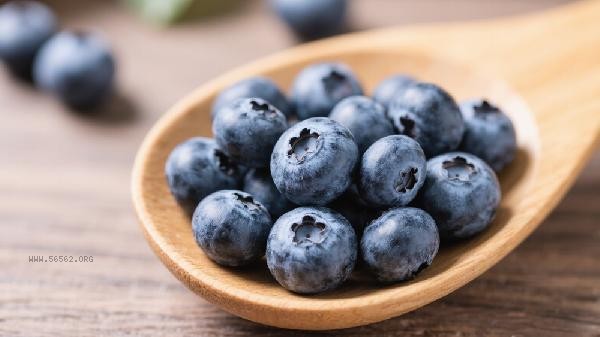
1. Appearance
High quality blueberries have a deep blue or purple black skin, evenly covered with natural fruit powder, indicating high freshness. Poor quality blueberries have a reddish or uneven color, with white frost peeling or obvious wrinkles and indentations. Mold spots or seepage marks indicate that the fruit has deteriorated, and damaged skin can easily breed bacteria.
2. Touch
Fresh blueberries have moderate elasticity when lightly pinched, without any soft or rotten texture. Too soft may indicate overripe or frostbite, while too hard may indicate immature and sour taste. If there is no rolling sound when shaking the packaging, it indicates that the fruit pulp is tight. If a large amount of fruit is loose and rolling, it indicates dehydration or prolonged storage.
3. Odor
Normal blueberries have a light fruity aroma, while spoiled fruits may emit fermented or sour flavors. It is normal for some varieties to have a weak herbal scent, but a pungent chemical odor may indicate excessive preservatives or contamination.
4. Fruit Stem
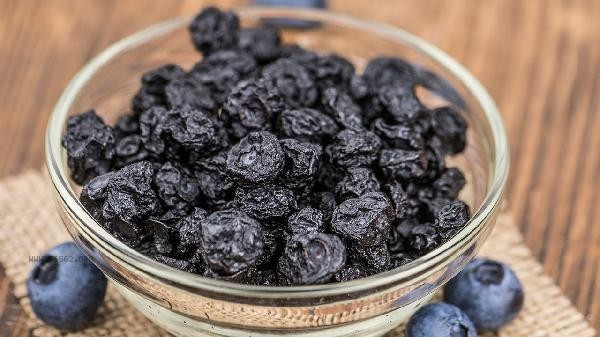
Fresh fruit stems are greenish green and tightly connected to the fruit. Dry browning or peeling indicates that the picking time is too long. Blueberries with stems are fresher, but dried and blackened stems may not be stored properly. Untamed blueberries need to be carefully checked for artificial shedding to mask spoilage.
5. Storage Conditions
Blueberries displayed under refrigeration are fresher and stored at room temperature, which can accelerate decay. There is no condensation water or ice crystals inside the packaging, and vacuum packaging is superior to bulk packaging. Organic blueberries need to check the certification label, and non transparent packaging should confirm the production date and cold chain records.
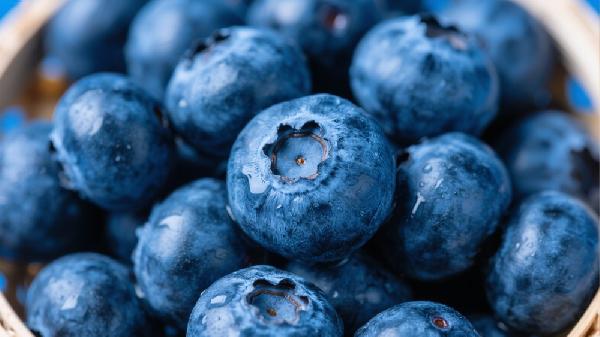
When selecting, prioritize products directly supplied from the current season's production area. Soaking in salt water before cleaning can remove surface residues. The daily consumption should be controlled within 100 grams, and those with diarrhea or abnormal blood sugar should reduce their intake. Frozen blueberries have less nutrient loss, but they should be consumed as soon as possible after thawing. Keep dry and sealed during storage, and discard moldy fruits in boxes to avoid contamination. Pairing with yogurt or oats can increase anthocyanin absorption and avoid consuming high calcium foods that can affect mineral absorption.








Comments (0)
Leave a Comment
No comments yet
Be the first to share your thoughts!