
Brown sugar clumps can be dispersed by heating, sealing to prevent moisture, physical tapping, and other methods. The agglomeration of brown sugar is mainly related to factors such as moisture and improper storage. Timely treatment can restore the loose state.
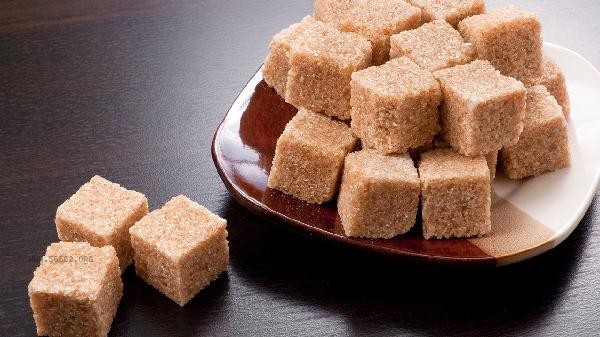
1. Heating method
Place the clumped brown sugar in the microwave at low heat for 10-15 seconds, or steam over water for 2-3 minutes. Heat can cause sugar to crystallize and water to be analyzed, softening and clumping. Pay attention to controlling the temperature to avoid coking. After heating, gently press with a spoon to disperse. This method is suitable for situations with slight clumping and no mold growth.
2. Seal and prevent moisture
Place food desiccants or uncooked rice grains in a brown sugar container, seal and store for 2-3 days. Desiccants can absorb excess moisture from sugar cubes, and rice grains also have a moisture absorbing effect. This method is suitable for brown sugar that has not yet severely solidified, and should be used as soon as possible after processing to avoid secondary moisture.
3. Physical tapping
Put the brown sugar packaging into a thick plastic bag and evenly tap it with a rolling pin or lightly tap it with a towel. External forces can damage the crystal structure of sugar cubes, but attention should be paid to the strength to prevent packaging damage. It is recommended to sieve the processed brown sugar and separate the large particles that have not dispersed.
4. Steam softening
Place the clumps in a bowl and steam them in a steamer for 1 minute. When the surface is slightly moist, rub it away while hot. Steam has strong permeability but low water content, which can soften sugar cubes without excessive dissolution. During operation, avoid direct dripping of water droplets, and dry the surface moisture after treatment.
5. Packaging and Freezing
Divide large pieces of brown sugar into small portions and place them in the freezer for 2 hours before taking them out and tapping. Low temperature makes sugar cubes brittle and more prone to breakage, and a freezing environment can inhibit bacterial growth. This method has a significant effect on severely compacted brown sugar, but it should be used as soon as possible after thawing to prevent moisture regain.
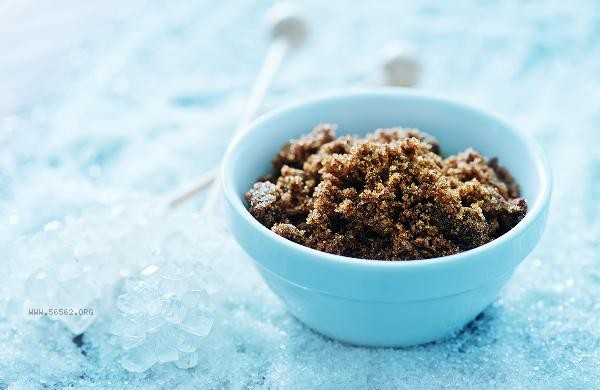
Daily storage of brown sugar clumps requires keeping the container dry and sealed, and can be paired with silicone desiccants or food deoxidizers. It is recommended to store brown sugar in a cool and dark place, avoiding mixing with ingredients with high moisture content. If brown sugar lumps are found to have a strange odor or discoloration, it may have developed mold and should be disposed of. Regularly checking inventory and purchasing small quantities multiple times can reduce the problem of clumping caused by prolonged storage time.








Comments (0)
Leave a Comment
No comments yet
Be the first to share your thoughts!