
To determine whether one belongs to dampness obesity, one can judge based on body characteristics, physical symptoms, tongue coating, other manifestations, professional judgment, and other aspects.
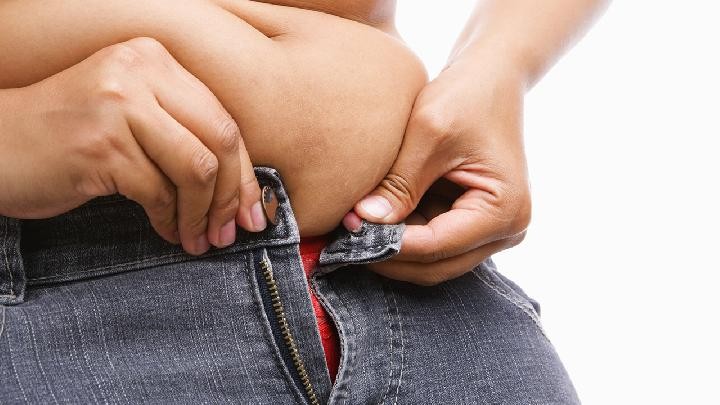
1. Physical characteristics: People with heavy dampness often exhibit abdominal obesity, which means a larger belly and relatively shorter limbs. This body type characteristic is an important sign of dampness obesity.

2. Physical symptoms: People with high humidity tend to have oily skin and excessive hair oil secretion. Often accompanied by symptoms of digestive disorders in the spleen and stomach, such as increased frequency and irregular bowel movements, and sticky stools that are prone to sticking to the toilet. Heavy dampness can lead to poor circulation of qi and blood, resulting in symptoms such as heaviness and weakness in the limbs. I often feel tired and weak, lack energy, and may even experience swelling in my lower limbs or face.
3. Tongue coating expression: People with high humidity usually have thick and greasy tongue coating, a chubby tongue body, and obvious tooth marks on the edge of the tongue.
4. Other manifestations: Increased secretion, such as increased vaginal discharge in females and dampness in the lower body of males. When the weather is humid or rainy, symptoms such as dizziness, dizziness, and heaviness may worsen.
5. Professional judgment: The most accurate way is to make a judgment under the guidance of a doctor. Doctors can make more accurate diagnoses by combining observation, hearing, questioning, and palpation with the patient's specific symptoms, tongue coating, and pulse. To determine whether one belongs to dampness obesity, it is necessary to comprehensively consider body characteristics, physical symptoms, tongue coating, and other related manifestations. If there are any discomfort symptoms, it is recommended to seek medical attention promptly for relevant screening.




Comments (0)
Leave a Comment
No comments yet
Be the first to share your thoughts!