
Whether chili sauce has spoiled can be determined by observing changes in color, abnormal odor, texture, appearance of mold spots, and sour taste.
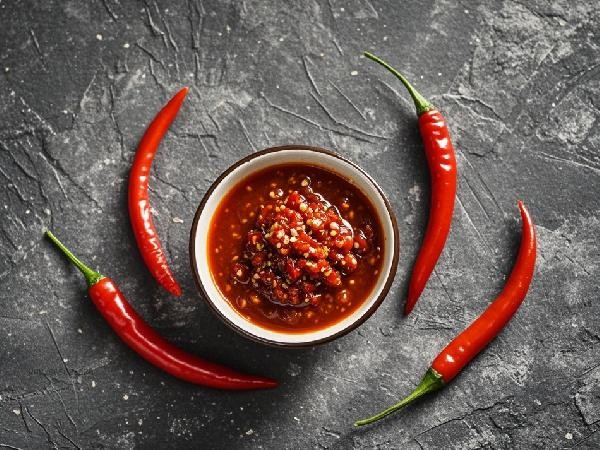
1. Color Change
Normal chili sauce usually appears bright red or dark red in color. If you notice a significant darkening, blackening, or uneven fading, it may have spoiled. The natural pigments in chili peppers can decompose under oxidation or microbial action, resulting in abnormal color. Long term exposure to air after opening will accelerate this process.
2. Abnormal odor
Fresh chili sauce has a spicy aroma or the mellow aroma of fermented sauces. If you smell a distinct sour, putrid, or pungent odor, it may indicate the growth of harmful microorganisms. Excessive proliferation of lactic acid bacteria can produce a sour taste, while fungal contamination may emit a moldy odor.
3. Texture Change
The texture of the unchanged chili sauce is uniform and delicate. If there are layering, clumping, thinning, or bubbles, it is an abnormal phenomenon. Moisture leakage may be due to excessive fermentation, decreased viscosity may be caused by bacteria decomposing thickening components, and the generation of bubbles indicates the presence of active microbial activity.
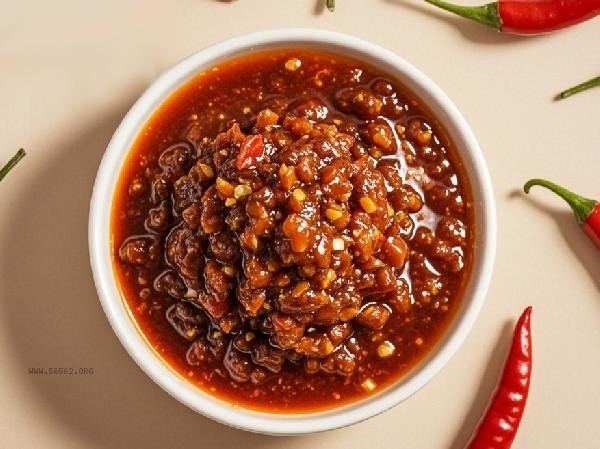
4. Appearance of mold spots
The appearance of white, green, or black flocculent substances on the surface of the sauce is conclusive evidence of mold growth. Even if visible mold spots are scraped off, the fungal hyphae may have penetrated the entire sauce body. Some mycotoxins are resistant to high temperatures, and ordinary heating cannot eliminate their toxicity, so the entire bottle must be discarded.
5. Sour taste
If there is an abnormal sour or bitter taste during tasting, it should be immediately stopped from consumption. The normal sour taste of chili sauce comes from the fermentation process, but excessive sourness may be caused by bacterial contamination. When the taste is astringent, stimulating, or significantly different from the original flavor, it indicates a risk of spoilage.
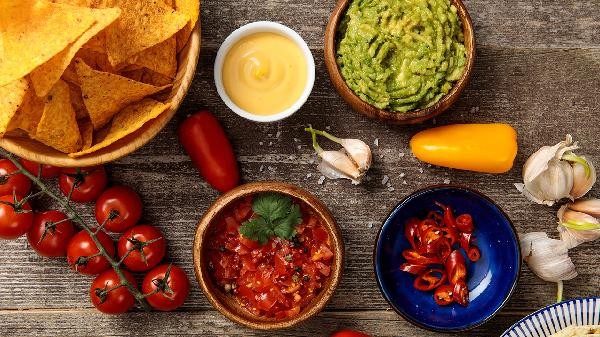
When storing chili sauce, ensure that the container is sealed and refrigerated for no more than two months after opening. Avoid using utensils that come into contact with water to prevent the introduction of bacteria. Homemade chili sauce needs to be thoroughly sterilized and bottled, and commercial products should pay attention to their shelf life. If any of the above-mentioned spoilage characteristics are found, it is recommended to stop consumption immediately. In daily life, a small amount of packaging can be used to reduce the number of times the sauce is opened. Glass containers are more conducive to observing the condition of the sauce than plastic containers. Before pairing with food, you can take a small amount and taste it to ensure safety before using it in large quantities.








Comments (0)
Leave a Comment
No comments yet
Be the first to share your thoughts!