
Whether the beans have spoiled can be determined by observing the color, smelling the odor, touching the texture, checking the appearance changes, and paying attention to storage time.
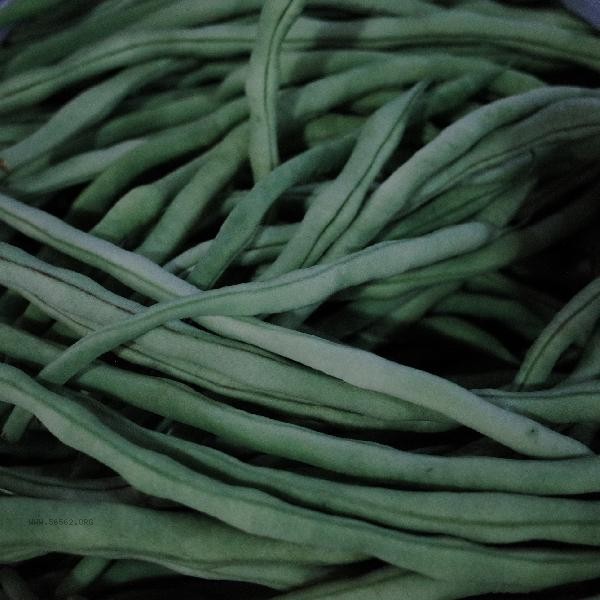
1. Observing color
Fresh beans usually appear bright green or tender yellow, with a glossy surface. The color of spoiled beans will noticeably darken, with yellow brown or black spots appearing, and some areas may turn white or fade. If there are large areas of abnormal color on the surface of the beans, especially accompanied by water stains, it usually indicates that they have decayed. During the spoilage process, the chlorophyll in the beans decomposes, causing the color to gradually darken. This change starts locally and gradually spreads.
2. Smell
Normal beans have a light plant fragrance, but after spoilage, they may emit a sour, moldy, or fermented odor. When there is slight deterioration, the odor may be lighter and needs to be identified closely; When severely deteriorated, there is a noticeable pungent odor. The odor caused by the spoilage of green beans mainly comes from the decomposition of proteins and sugars by microorganisms, which produce sulfides and ammonia substances. If you smell an odor similar to rotten eggs or rotten vegetables, you should discard them immediately.
3. Touch texture
Fresh beans have a crisp and hard texture, with a crisp sound when broken. Rotten beans will become soft and sticky, and a sticky layer may appear on the surface, causing them to lose elasticity when pinched. If the skin of the bean is wrinkled, the interior is hollow, or there are rotten soft spots, it indicates that the cell tissue has been destroyed by microorganisms. Beans that have been refrigerated for too long may not completely spoil, but they may become fibrous and hard, with a rough taste. It is also not recommended to consume such beans.
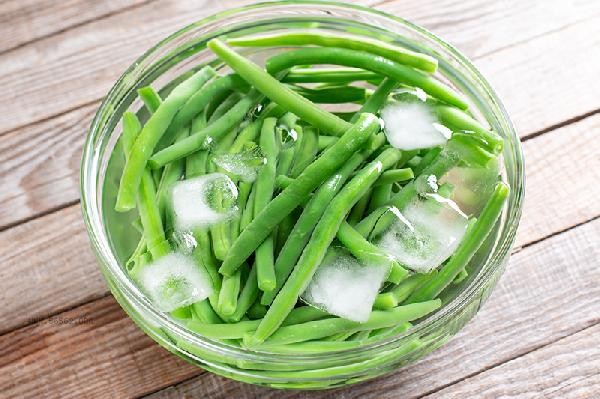
4. Check for changes in appearance
Pay attention to whether there are mold spots, hyphae, or white powdery substances on the surface of the beans, which are typical manifestations of fungal reproduction. Cracking of pods, exposed seeds, or swollen and protruding beans may indicate over ripening or internal spoilage. Insect infested holes are prone to bacterial growth and require special inspection. If the soaked beans are not treated in a timely manner, they will undergo edematous deterioration within 12 hours, manifested as semi transparent epidermis.
5. Pay attention to storage time
The shelf life of green beans at room temperature is about 2-3 days, and refrigeration can be extended to 5-7 days. Even if the appearance is normal beyond this time limit, the nutritional value has significantly decreased. Vacuum packed beans need to be checked for any air leakage or bag swelling in the packaging. If frozen beans are repeatedly thawed, they may suffer from frostbite and deterioration, manifested as local transparency. Under high temperature conditions in summer, the rate of bean spoilage will accelerate, and it should be refrigerated as soon as possible after purchase.
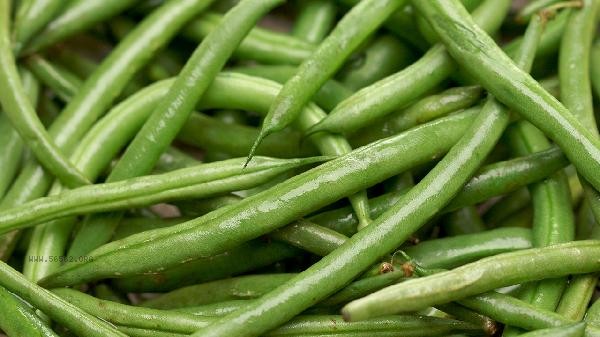
When storing green beans, it is recommended to seal them in a fresh-keeping bag and refrigerate them to avoid storing them together with fruits such as apples and bananas that release large amounts of ethylene. Thoroughly clean before cooking, remove suspicious parts, and heat thoroughly to inactivate some microbial toxins. Cold mixed beans must be blanched in boiling water for at least 3 minutes. If symptoms such as nausea and vomiting occur due to ingestion of spoiled beans, seek medical attention immediately. When making daily purchases, choose products with plump pods and uniform color. Buying in small quantities multiple times can reduce storage risks.








Comments (0)
Leave a Comment
No comments yet
Be the first to share your thoughts!