
Tea mold can be comprehensively judged by observing the appearance, smelling the odor, touching the texture, conducting brewing tests, and checking the storage environment. Moldy tea leaves may exhibit white hairs, green spots, unpleasant odors, and damp clumps. After brewing, the tea soup may become cloudy or have a moldy taste.

1. Observe appearance
Normal tea has a uniform color, with green tea appearing emerald green or dark green, and black tea having a dark and smooth color. The surface of moldy tea leaves may have white, grayish green fuzz or spots, and in severe cases, large patches of mold can be seen. Pu erh and other compressed teas need to be opened to inspect the inside of the tea cake, as mold often spreads outward from the center.
2. Smell
Good quality tea has a fresh tea aroma, green tea has a light fragrance, and black tea has a sweet aroma. Moldy tea leaves will emit a pungent moldy, earthy or sour smell, and the odor will be obvious after opening. Some slightly moldy tea leaves may have weakened their original aroma and be mixed with dull odors.
3. Touch Texture
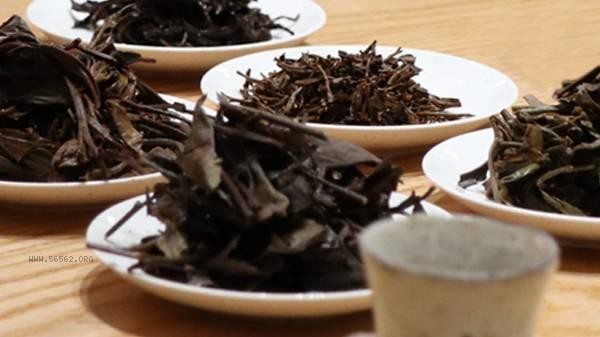
Dry tea leaves have a crispy texture and intact leaves without sticking. Moldy tea leaves may become soft and sticky due to moisture, and may form lumps, lacking a crisp sound when rubbed. After the tea leaves containing buds such as white tea longevity eyebrows become moldy, the tea leaves will stick together into clusters.
4. Brewing Test
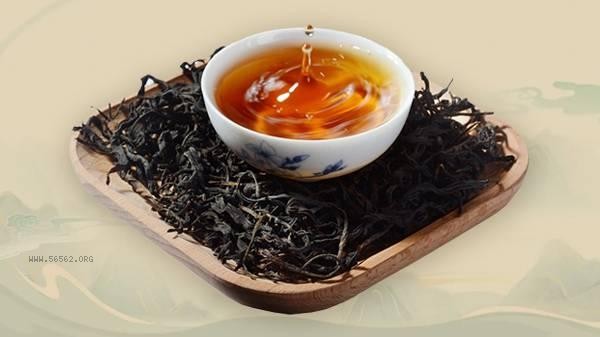
Take a small amount of tea leaves and rinse them quickly with hot water. Pour out the first brew and smell the moist tea aroma. After brewing moldy tea leaves, the tea soup becomes turbid, and suspended solids may appear on the surface. There is a noticeable moldy smell when smelled hot. The tea soup with normal quality is clear and transparent, and the leaf base is stretched and active.
5. Check storage environment
Tea leaves stored in damp, high temperature, or sealed environments for a long time are more prone to mold growth. Check if there is any air leakage in the packaging, if there is any moisture on the inner wall of the canned tea leaves, and if there are any moisture spots on the paper packaging. During the southern rainy season, special attention should be paid to the safety of storing tea in breathable containers such as purple clay pots and pottery pots.
If mold is found on tea leaves, drinking should be stopped immediately. For mild mold, sun drying can be attempted to remove the mold, but the effect is limited. For severe mold, the entire batch should be discarded. It is recommended to seal with aluminum foil bags for daily storage, and store in a cool and ventilated place with food grade deoxidizers or desiccants. Green tea, light aroma oolong tea, etc. are recommended to be consumed within six months, and black tea and Pu erh tea should also be regularly checked for conversion. Develop a habit of checking before drinking tea to avoid consuming mycotoxins that can affect health.








Comments (0)
Leave a Comment
No comments yet
Be the first to share your thoughts!