
Judging whether pork is fresh can be comprehensively evaluated by observing color, touching elasticity, smelling odor, checking fat status, and checking packaging date.

1. Observe the color
Fresh pork appears light red or pink, with a glossy surface and white or milky white fat. The color of spoiled pork is dark, appearing deep red, brown, or gray, with yellowish or greenish fat. If there are abnormal spots or mucus on the surface of pork, it indicates that it has spoiled.
2. Touch elasticity
Gently press the surface of pork with your fingers, the fresh meat is firm and elastic, and can quickly rebound after pressing. The texture of spoiled pork is soft, and it is difficult to recover the depression after pressing, and even has a sticky texture. If frozen pork loses its elasticity after thawing, it may undergo repeated freezing and thawing, leading to spoilage.
3. Smell
Fresh pork has only a slight fishy smell or no obvious odor. Rotten pork will emit a sour, putrid, or ammonia odor, especially near the bones and fat areas where the odor is more pronounced. Injected pork may have a pungent smell of chemical residues.
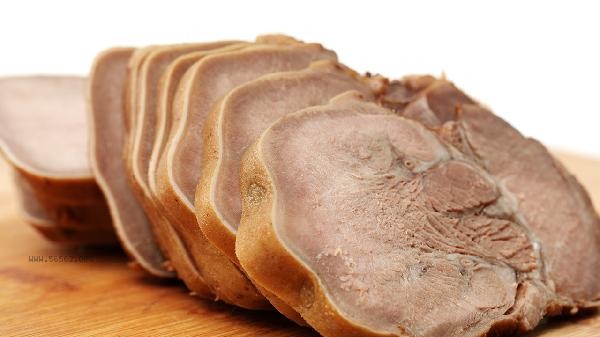
4. Check the fat status
Fresh pork has uniform fat distribution, fine and dry texture. Deteriorated fat is prone to oxidation and stickiness, and may have a rancid or moldy taste. If fat separates from muscle or appears transparent, it may be stored for too long.
5. Checking Packaging Date
Pre packaged pork requires checking the production date and shelf life, while refrigerated meat typically has a shelf life of 3-5 days. Bulk meat can be inquired about the selling time, and freshly slaughtered pork is freshest within 24 hours. Vacuum packaging leakage or excessive ice crystals indicate improper storage.

After purchase, it is recommended to pack the pork and refrigerate it, store it at 2-4 ℃ for no more than 3 days, and freeze it for long-term storage. Before cooking, check the meat quality again and heat it thoroughly until the center temperature exceeds 70 ℃. Avoid repeated thawing and consume within 24 hours after thawing. Choose legitimate channels to purchase quarantine qualified products. If you experience symptoms of food poisoning such as diarrhea and vomiting, seek medical attention promptly.








Comments (0)
Leave a Comment
No comments yet
Be the first to share your thoughts!