
To determine whether a mushroom is poisonous, it is necessary to comprehensively observe its morphological characteristics, growth environment, and professional identification methods. Common poisonous mushrooms often have bright colored caps, white gills, and obvious trays, but relying solely on appearance to judge carries risks.
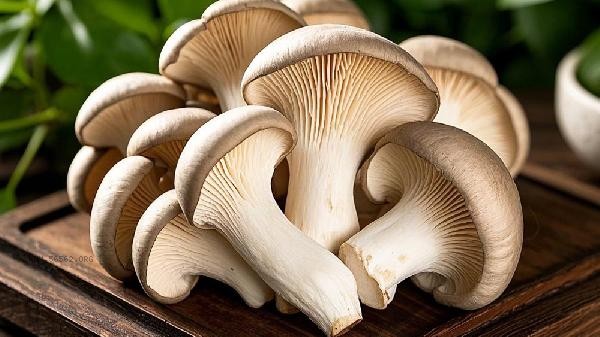
1. Morphological Characteristics
Poisonous mushrooms often have special morphological characteristics, such as the deadly white fungus of the Amanita genus, which has a pure white cap and stem, and a pouch shaped base wrapped around the base. Some poisonous mushroom caps have scales or mucus on the surface, and the gills may appear unnatural pink or green in color. But some edible mushrooms, such as red mushrooms, also have bright colors, which need to be judged comprehensively based on other characteristics.
2. Growing Environment
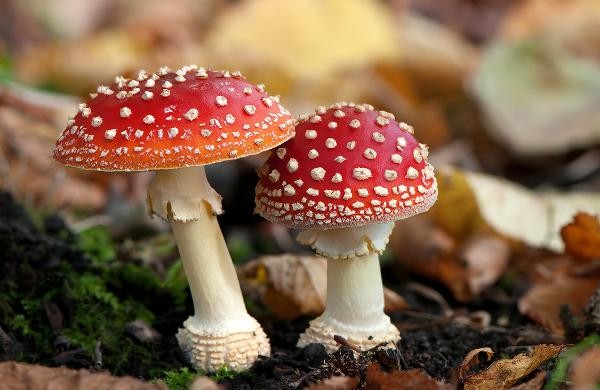
Poisonous mushrooms often grow on dark and damp decaying wood or animal feces, such as the poisonous fly umbrella commonly found in pine forests. Some highly toxic Amanita mushrooms form a symbiotic relationship with pine and oak trees. However, some edible mushrooms such as chicken oil mushrooms also grow in similar environments and cannot be used as a sole basis for judgment.
3. Color Change Reaction
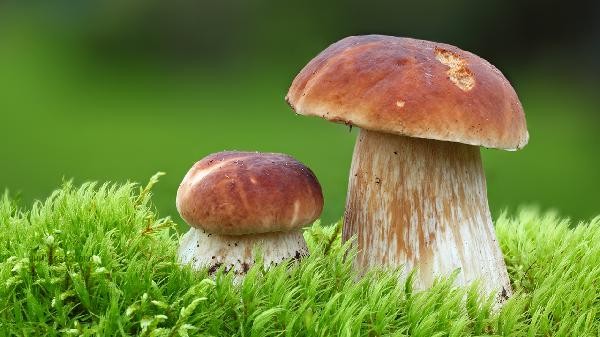
Some poisonous mushrooms may exhibit a special color change reaction after cutting, such as the naked mushroom that turns blue from injury containing hallucinogenic ingredients, and the poisonous red mushroom that turns red containing hemolytic toxins. However, the degree of discoloration is affected by the picking time, and some edible boletus mushrooms may also oxidize and turn blue, which requires professional testing methods to verify.
4. Odor Differences
Highly toxic mushrooms often emit pungent chemical or putrid odors, such as death caps that have a bleach like odor. Edible mushrooms often have a fragrant or nutty flavor. However, the subjective judgment of odor is strong, and some poisonous mushrooms have a light odor, so it is not recommended as the main identification criterion. The most reliable method for professional identification is to carry the sample to the food and drug regulatory department or professional institution for microscopic morphological identification or chemical testing. There is no scientific basis for the folk methods of blackening silverware, insect infestation, and non toxicity. If symptoms such as vomiting and hallucinations occur after ingestion, it is necessary to immediately bring residual mushrooms for medical treatment. The prevention of mushroom poisoning should follow the principle of not picking, not recognizing, and not eating wild mushrooms. When collecting wild mushrooms, gloves should be worn to avoid contact with toxins, and different types should be stored separately to prevent cross contamination. If symptoms such as numbness in the lips and vomiting occur after consumption, induce vomiting immediately and keep the sample for medical treatment. It is recommended to purchase commonly cultivated edible mushrooms such as shiitake mushrooms and shiitake mushrooms through legitimate channels to avoid the risk of liver and kidney damage or even death due to misjudgment. Mushrooms stored daily should be kept dry and ventilated. Mushrooms that have gone bad and become sticky should be discarded even if they were originally edible.








Comments (0)
Leave a Comment
No comments yet
Be the first to share your thoughts!