
Green bean spoilage can be determined by observing color, odor, texture, insect infestation, and mold growth. Fresh mung beans should be green in color, odorless, with plump and dry granules, and free from insect eyes or mold spots.
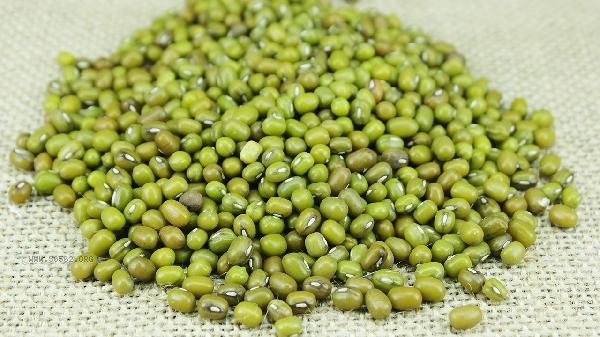
1. Color Change
Normal mung bean skin appears uniformly green or yellow green. If there is a large area of blackening, browning, or dull color, it may be due to moisture, oxidation, or prolonged storage, resulting in a decrease in quality. Some mung bean varieties may naturally turn yellow after storage, but caution should be exercised when consuming them with other spoilage characteristics.
2. Abnormal odor
High quality mung beans have a light bean aroma. If you smell a spicy, moldy, or sour smell, it indicates fat oxidation or microbial contamination. Especially for mung beans stored for more than six months after opening, they are prone to producing a pungent odor due to the deterioration of oil, and it is not recommended to continue consuming such mung beans.
3. Texture change
Fresh mung bean granules are hard and dry, and are not easily crushed when squeezed. After being damp, it will become tough or soft, and in severe cases, internal starch hydrolysis can produce a sticky texture. During the water immersion test, spoiled mung beans will rapidly expand and break, while high-quality mung beans absorb water uniformly and slowly.
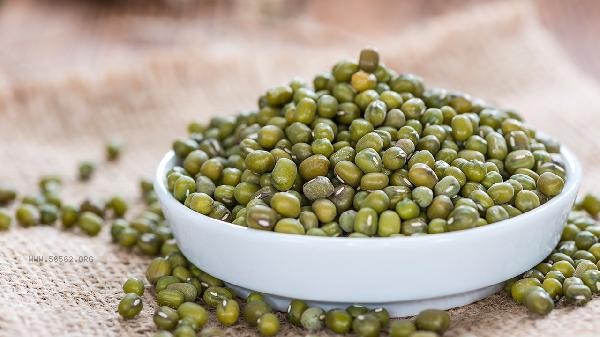
4. Insect infestation marks
Pests such as mung bean weevils leave circular holes on the surface of the beans, and there are often insect eggs or larval excrement inside. Minor insect infestation can be picked and consumed, but if the number of holes exceeds one-third of the bean body or is accompanied by mold, it should be discarded. It is recommended to store in a sealed container and add Sichuan peppercorns for deworming.
5. Mold phenomenon
White, green, or black mycelium can be seen on the surface of moldy mung beans, which is often caused by humid environments. When contaminated with aflatoxin, yellow spots will appear on the beans, and high-temperature cooking cannot destroy the toxin. If mold is found, the entire batch should be discarded to avoid causing liver damage.
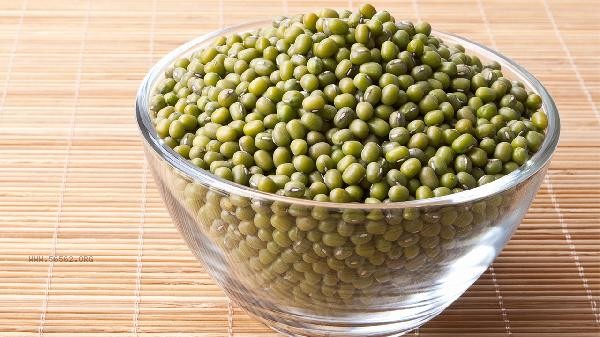
It is recommended to store mung beans in a cool and dry place, and use a sealed container to isolate them from the air. During the hot and humid summer season, it can be refrigerated for storage, but attention should be paid to moisture prevention and clumping. Choose new season mung beans with intact granules when purchasing, and avoid long-term storage by purchasing small quantities multiple times. Before cooking, thoroughly wash and remove any abnormal beans. Green beans with a germination rate below 60% may have insufficient activity. If discomfort such as abdominal pain and diarrhea occurs after consumption, immediately stop eating and seek medical examination.








Comments (0)
Leave a Comment
No comments yet
Be the first to share your thoughts!