
The deterioration of lemon slices is usually manifested as darkening of color, softening of texture, appearance of mold or odor, which can be judged by observing the appearance, smelling the odor, touching the texture, and other methods. The color of lemon slices changing from bright yellow or green to dark yellow, brown, or even black is a clear signal of spoilage. The surface of fresh lemon slices should be dry and smooth. If white, green, or black mold spots appear, it indicates that mold has grown. Rotten lemon slices will emit a sour or moldy taste, which is completely different from the normal lemon fragrance. When touched, fresh lemon slices have a crisp and hard texture, but after spoilage, they may become soft, rotten, and even leak mucus. Improper storage, such as moisture and high temperature, can accelerate the deterioration of lemon slices. It is recommended to seal and store in the dark. Lemon slices that are not completely dried are more prone to spoilage, and if there is too much moisture residue during processing, mold growth may occur in the short term. Vacuum packaging damage or failure to consume in a timely manner after opening can also cause lemon slices to become damp and spoiled. Some lemon slices may slightly darken in color due to oxidation, but they can still be consumed if there is no odor or mold. In special circumstances, lemon slices may be damaged or contaminated by insects, and the surface should be carefully inspected for holes or foreign objects.
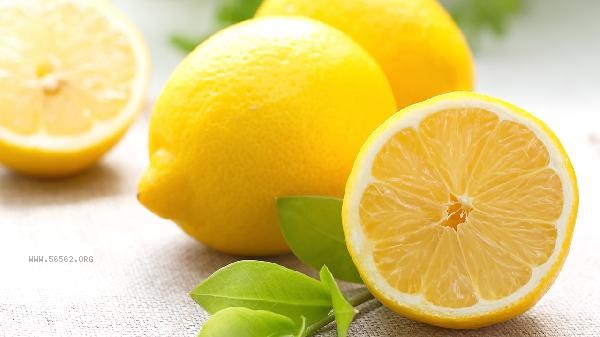
It is recommended to store lemon slices in a cool and dry place, avoiding direct sunlight and high temperature and humidity environments. After opening, consume as soon as possible or store in a sealed container to extend the shelf life. If lemon slices show signs of spoilage, they should be immediately discarded and avoided from consumption to prevent gastrointestinal discomfort. Lemon slices can be purchased in small quantities and used in batches to ensure freshness in daily life. When paired with honey or tea, quality inspection is particularly important.









Comments (0)
Leave a Comment
No comments yet
Be the first to share your thoughts!