
Yuzu spoilage can usually be judged by observing its appearance, smelling its aroma, pressing the skin, checking the color of the flesh, and tasting its flavor.
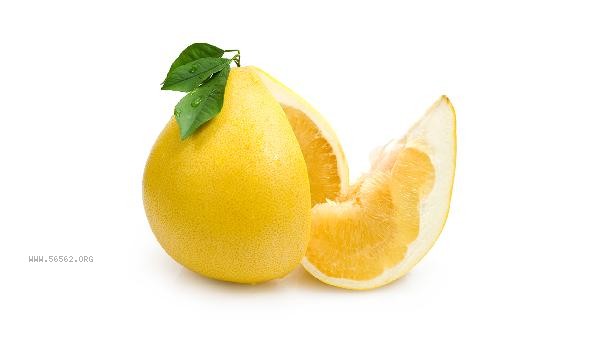
1. Observe appearance
Fresh grapefruit has a smooth and full skin, with a uniform yellow or yellow green color. The surface of spoiled pomelos may show large areas of dullness, blackening, or mold spots, with local depressions or obvious wrinkles. If there are white hyphae or green mold spots on the epidermis, it indicates that it has become moldy and is not edible.
2. Smell
Normal grapefruit has a fresh citrus aroma. When it deteriorates, it will emit a sour, fermented, or moldy smell, with a more pronounced odor near the fruit stem. If the meat emits a pungent odor after cutting, it has already decayed and needs to be discarded.
3. Press the skin
Fresh grapefruit skin is tight and elastic, and quickly rebounds after pressing. Due to water loss or internal decay, spoiled pomelos may have soft and sunken skin when pressed, which may be accompanied by juice leakage. If the peel and flesh separate, it indicates a severe degree of spoilage.
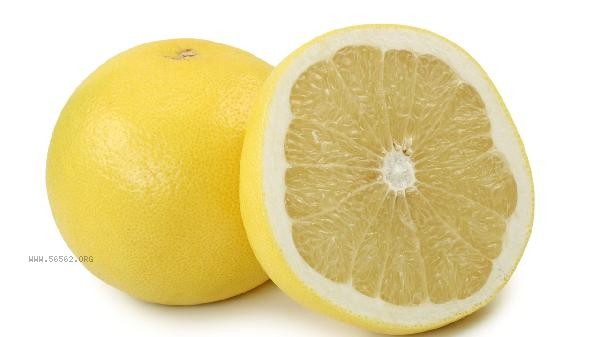
4. Check the color of the fruit flesh.
After cutting, the fruit flesh of a normal grapefruit is crystal clear and appears light yellow or pink. The spoiled grapefruit flesh appears dark and brown, with locally transparent water stains or cotton like decay, and shriveled and atrophied sacs. If the pulp and capsule are difficult to peel off due to adhesion, bacteria may have already grown.
5. Taste
When the fruit has slightly deteriorated, the flesh may only have a bitter taste, while severe deterioration may have obvious abnormal flavors such as sourness and numbness. If there is a burning sensation in the throat after consumption, harmful substances may have been produced, and the consumption should be stopped immediately and the mouth should be rinsed.

When storing pomelos, it is recommended to place them in a cool and ventilated place to avoid a humid environment that accelerates mold growth. Cut pomelos should be wrapped in plastic wrap and refrigerated, preferably consumed within two days. When purchasing, choose fruits that are solid in weight and have no damaged skin. They can be stored at room temperature for about two weeks in winter. If partial deterioration of grapefruit is found, it is recommended to discard the whole fruit as mold may have spread to the entire fruit and not consume it again. In daily life, it can be judged by gently shaking. Fresh grapefruit flesh is compact and has no sound, but after spoilage, there may be shaking sounds due to dehydration of the sacs.








Comments (0)
Leave a Comment
No comments yet
Be the first to share your thoughts!