
Whether mushrooms have gone bad can be comprehensively judged by observing changes in color, abnormal odor, texture, gill state, and storage time.
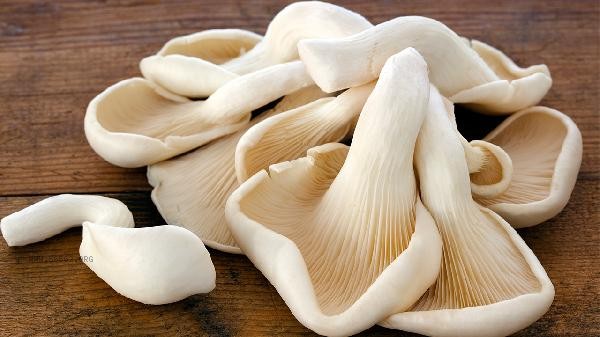
1. Color Change
The surface of fresh mushrooms should present a uniform natural color, such as white mushrooms being milky white and shiitake mushrooms being light brown. If there are large areas of yellowing, blackening, or green mold spots, especially dark diffusion at the junction of the cap and stem, it usually indicates microbial growth. Some mushrooms may slightly brown when exposed to air after cutting, but only at the incision site. If the whole mushroom changes color quickly, it may have already rotted.
2. Abnormal odor
Normal mushrooms have a soil or woody aroma, and after spoilage, they will emit a distinct sour, ammonia, or moldy smell. Mushrooms can be lightly sniffed near the tip of the nose. If the odor is pungent or uncomfortable, even if the appearance is normal, it should be discarded. Some wild mushrooms have a special odor and need to be judged comprehensively based on other characteristics.
3. Texture Change
Fresh mushrooms have a tight and elastic texture, and quickly rebound after light pressure. Rotten mushrooms will become sticky and slippery, with a sticky layer appearing on the surface of the cap and the stem becoming soft and easy to break. The sponge like texture caused by dehydration, wilting or excessive water immersion is also abnormal, as these mushrooms lose nutrients and are prone to bacterial growth.
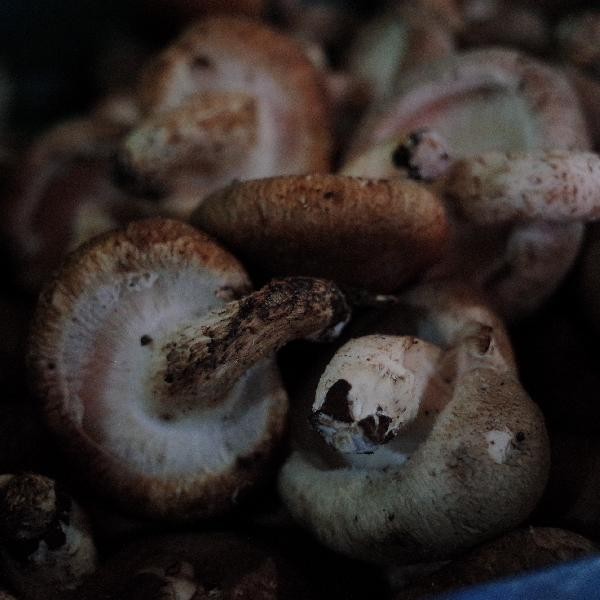
4. Fungal fold status
Umbrella fungi require special inspection of the gill area. The gills of healthy mushrooms are tightly arranged and have a uniform color, commonly white or light gray. If the gills turn black and stick together, or if fuzzy hyphae appear, it indicates that mold has occurred. Varieties with denser gills, such as shiitake mushrooms, need to be opened to observe their internal condition.
5. Storage Time
Fresh mushrooms that have not been processed and stored refrigerated for more than 5 days pose a risk, and pre packaged mushrooms must be consumed within their shelf life. If the storage environment is humid or the temperature fluctuates greatly, it may deteriorate prematurely even before expiration. Frozen mushrooms should not be consumed when ice crystals pierce cells or when they become soft and flowing after thawing.
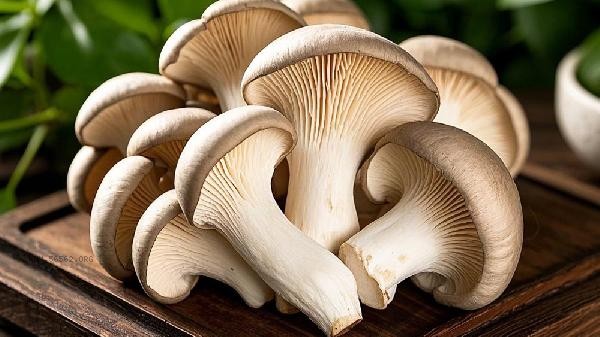
When purchasing mushrooms in daily life, priority should be given to fresh products with intact mushroom caps and no damage, and they should be processed and consumed as soon as possible after purchase. Short term storage can be wrapped in kraft paper and refrigerated to avoid the accumulation of condensed water caused by plastic bag sealing. Thoroughly clean the crevices and sediment before cooking, but do not soak for a long time. When any suspicious signs of spoilage appear, it is recommended to dispose of it directly to prevent food poisoning, especially for children, pregnant women, and those with low immunity who need to be cautious. Cooking with antibacterial ingredients such as garlic and ginger slices can reduce the risk of microorganisms.








Comments (0)
Leave a Comment
No comments yet
Be the first to share your thoughts!