
Whether bananas have gone bad can be comprehensively judged by observing their appearance, odor, texture, and pulp condition. The main symptoms include abnormal skin color, odor emission, soft or flowing texture, blackened or moldy flesh, and sour taste.
1. Abnormal skin color
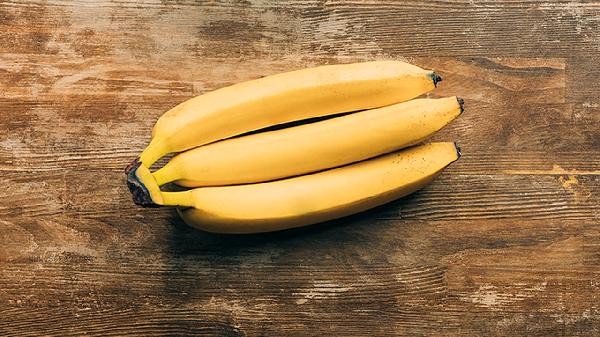
Normal banana skin appears uniformly yellow or with a small amount of brown spots. During metamorphism, large areas of dark brown or black patches may appear, which spread rapidly and darken in color. If there are gray green mold spots or white mycelium on the epidermis, it indicates that mold has occurred. If immature green bananas turn black locally, it may be due to collision damage and should be judged in conjunction with other characteristics.
2. Odor
Fresh bananas have a sweet fruity aroma. After spoilage, it will emit a distinct sour odor, alcohol fermentation odor, or rotting odor, with a stronger odor near the fruit stem. If there is a pungent chemical odor in the flesh after peeling, it may be caused by excessive use of preservatives, and this type of banana is not suitable for consumption.
3. When the texture becomes soft or flowing [SEP], when lightly pinching bananas, the normal flesh should be soft but elastic. After deterioration, the overall texture is soft and collapsed, and when pressed, there may be a depression without rebound, or water like liquid may seep out of the skin. The stickiness and exudation of the fruit stem are typical signals of decay, indicating that the internal flesh has begun to liquefy.
4. Black or moldy flesh
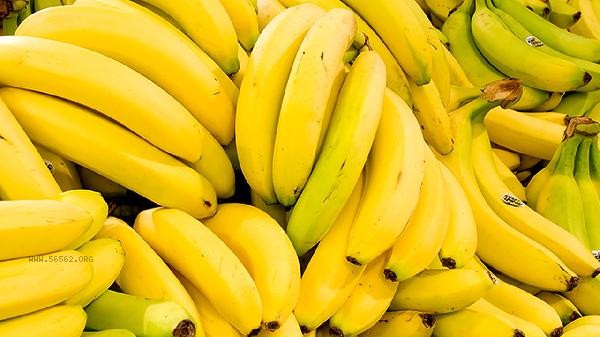
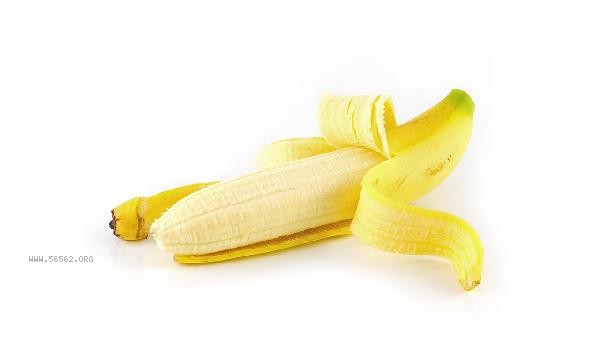
After peeling, the flesh appears transparent, with black fibers or extensive browning, indicating that it has rotted. If there is a black core or radial black line in the center of the cross-section, it may be due to cold damage or excessive maturity. When colonies of fuzzy mold grow on the surface of the fruit pulp, the toxin may have spread throughout the entire fruit.
5. Sour and astringent taste
When tasting a small bite, normal bananas are sweet and glutinous without any stimulation. After spoilage, there is a noticeable sour, bitter, or spicy sensation, and there is a burning sensation in the throat after swallowing, indicating excessive levels of microbial metabolites. If the flesh has a gritty texture or rough fibers, it may be caused by frostbite or improper storage. When storing bananas, they can be hung in a cool and ventilated place to avoid squeezing and accelerating decay. Mature bananas can be peeled, packaged, and frozen for use in making milkshakes or baked goods. When purchasing, choose fruits with intact stems and no mechanical damage. In tropical regions, it is recommended to choose bananas with a slightly greenish tint to extend their shelf life. Bananas with slight brown spots but no odor can still be consumed, and it is recommended to prioritize heating and cooking. If mold is found, it should be discarded whole to avoid contaminating other foods with toxins.








Comments (0)
Leave a Comment
No comments yet
Be the first to share your thoughts!