
The detection of whether mushrooms are toxic can be comprehensively judged by observing their color and odor, inspecting their gills and stems, professional identification, chemical reagent testing, and avoiding ingestion of wild mushrooms. Eating poisonous mushrooms by mistake may lead to serious poisoning. It is recommended to consume wild mushrooms with caution and seek professional help if necessary.
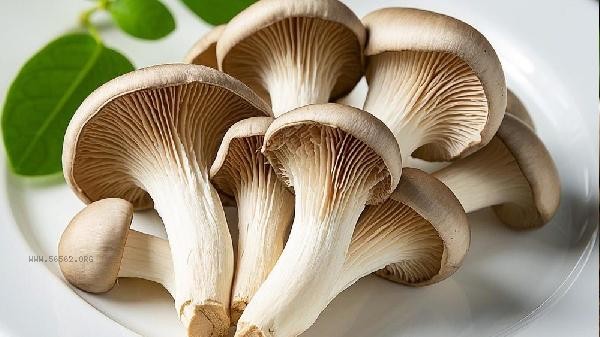
1. Observe color and odor
Poisonous mushrooms often have bright warning colors such as red, orange, purple, and some may emit a pungent odor. But some edible fungi also have bright appearances, while highly toxic white umbrellas and other fungi have simple colors, and relying solely on color to judge is not reliable. At the same time, pay attention to whether there are abnormal features such as scales and spots on the mushroom cap, and the damaged area of the poisonous mushroom may show discoloration reactions.
2. Check the gills and stalks.
Edible mushrooms often have white or light gills, while poisonous mushrooms may have abnormal colors such as pink or black. Observe whether there is a bacterial tray or ring structure at the base of the stem, as many highly toxic Amanita species have obvious bacterial trays. But some edible mushrooms, such as shiitake mushrooms, also have mushroom rings, which need to be comprehensively judged based on other characteristics.
3. The most reliable way to conduct professional identification
is to have suspicious mushrooms identified by mycology experts, or to compare spore print color, microscopic features, etc. using professional guidebooks. China's disease control centers at all levels and poisoning departments of large hospitals can provide mushroom species identification services, but folk methods such as silver needle poisoning have no scientific basis.
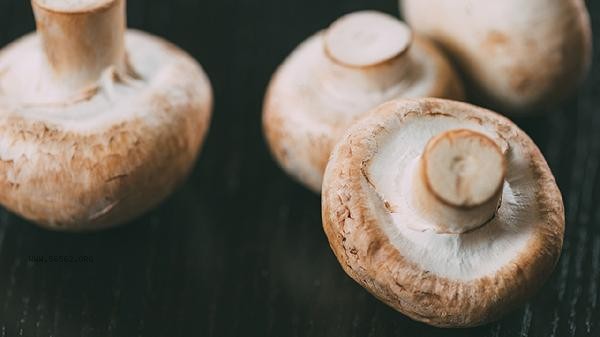
4. Chemical Reagent Testing
Some laboratories can use chemical reagents to detect mushroom toxins, such as using potassium hydroxide solution to test for discolored ergot acid toxins. However, the family environment lacks professional testing conditions, and there are many types of toxic mushroom toxins. Ordinary chemical testing may miss highly toxic cyclic peptide toxins, so it is not recommended to operate on your own.
5. Avoid ingesting wild mushrooms
There are hundreds of mushroom poisoning incidents in China every year, and the most effective way to prevent them is to avoid eating unfamiliar wild mushrooms. Special attention should be paid to the possible symbiotic relationship between poisonous mushrooms and edible mushrooms, as different years of growth in the same location may mix poisonous species. When purchasing mushrooms, you should choose a regular market, and when picking wild mushrooms, you need to be accompanied by an experienced guide.
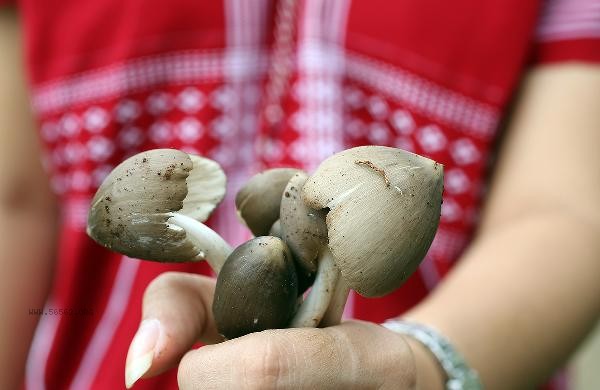
Edible fungi should be thoroughly cooked in daily diet. Some toxic proteins can be decomposed at high temperatures, but some toxins are resistant to high temperatures. If symptoms of nausea, vomiting, or poisoning occur, induce vomiting immediately and seek medical attention. Keep food samples for testing. Residents in mountainous areas need to strengthen education on identifying poisonous mushrooms, especially during the spring rainy season. They should be vigilant and not easily believe folk remedies for identifying poisonous mushrooms. Medical institutions should prepare sufficient detoxifying drugs such as penicillin and silymarin to cope with different types of mushroom poisoning.








Comments (0)
Leave a Comment
No comments yet
Be the first to share your thoughts!