
Bitter vegetables can usually be improved by blanching, seasoning, or changing cooking methods, which may be related to variety characteristics, growth environment, or improper storage.

1. Blanching treatment
Quickly blanch vegetables in boiling water for 10-20 seconds to effectively reduce bitter substances. High temperature can decompose some alkaloids and glucosinolates that cause bitterness, while maintaining the crispy and tender taste of vegetables. Immediately supercooling after blanching can lock in chlorophyll, but be aware that blanching for too long can lead to nutrient loss.
2. Seasoning and
Stir fry minced garlic and shredded ginger until fragrant, then stir fry quickly. Spicy ingredients can mask the bitterness. Add proper amount of fermented condiments such as white sugar, oyster sauce or Fermented bean curd to reduce the perception of bitterness through the interference of fresh sweet taste. Adding vinegar or lemon juice during cold mixing can transform some bitter substances in an acidic environment.
3. Change the cooking method
Use stewing to dissolve bitter substances into the soup, and balance the taste with fresh ingredients such as pork ribs and mushrooms. When making vegetable filling, squeeze out the juice first or mix it with sweet vegetables such as carrots and corn. High temperature stir frying is more conducive to the volatilization of bitter compounds than low-temperature slow frying.
4. Variety selection
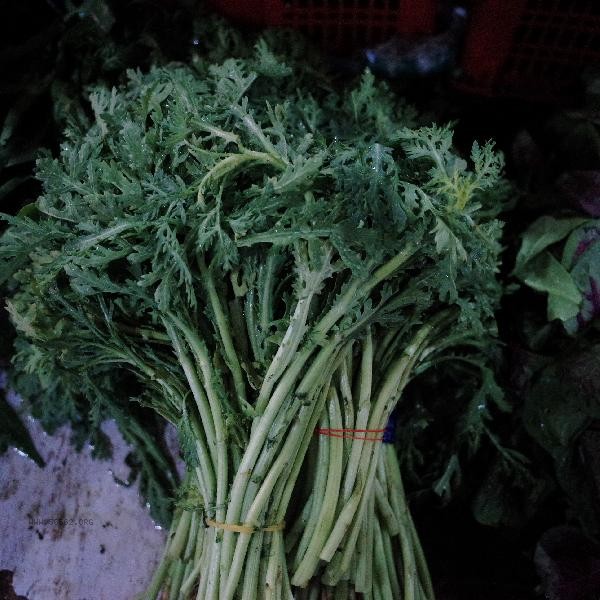
The sweetness of green vegetables after winter frost is higher, and the bitterness of plants during spring bolting is increased. Priority should be given to varieties with thick leaves and short, thick petioles, which usually have a lighter bitterness. Organic grown vegetables may have lower levels of bitter substances than products with excessive use of fertilizers.
5. Storage and Handling
Buy and eat now, avoid refrigeration for more than 3 days, as low temperatures can promote the accumulation of bitter precursor substances. Remove the outer layer of old leaves and thick stem parts, which have a higher concentration of bitter components. Soaking in salt water for 15 minutes can dissolve some water-soluble bitter substances, but it will result in the loss of minerals such as potassium.
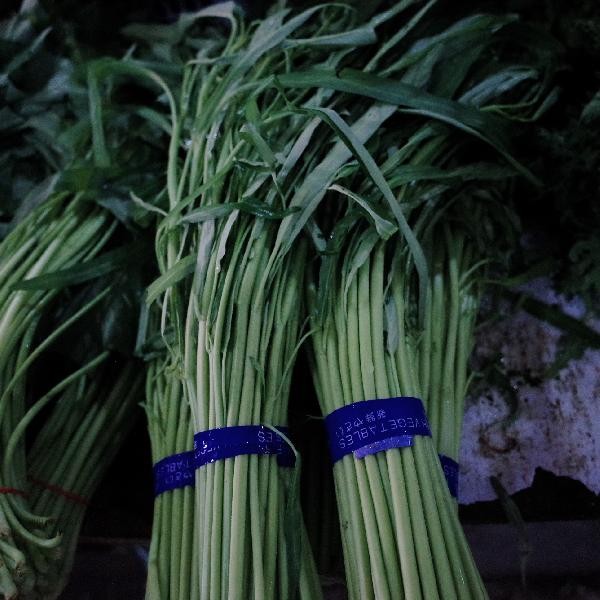
It is recommended to choose fresh vegetables of the current season for daily use, and thoroughly rinse the surface with running water before cooking for any possible residual plant protection agents. Excessive bitterness may indicate a risk of heavy metal pollution, and persistent discomfort can be detected by soil water quality testing. Maintaining dietary diversity, components such as glucosinolates in bitter vegetables have antioxidant benefits when consumed in moderation, but individuals with gastrointestinal sensitivity should pay attention to controlling their consumption.








Comments (0)
Leave a Comment
No comments yet
Be the first to share your thoughts!