
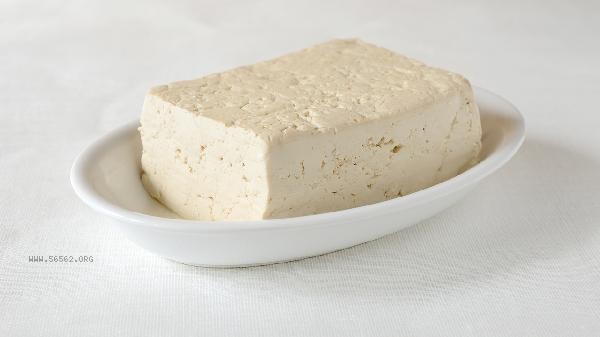
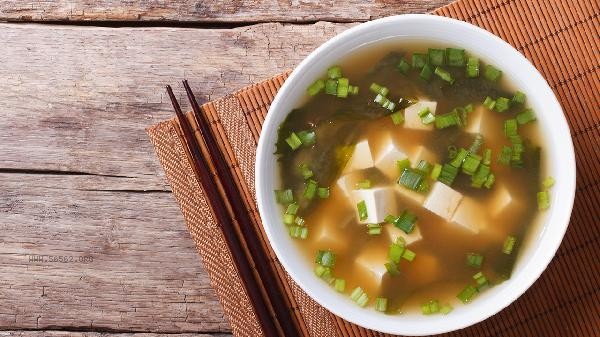
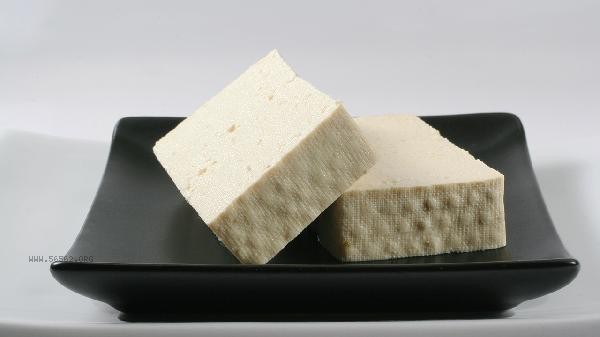
If tofu has only a slight sour taste and has not spoiled, it can be heated and consumed. If there is obvious decay or mucus, it is recommended to discard it. Tofu spoilage is usually caused by improper storage or exceeding the shelf life, and it needs to be judged comprehensively by observing the color, odor, and texture. Tofu has a shorter storage time under refrigeration conditions, and it may ferment and become sour after being left at room temperature for a few hours in summer. Tofu with slight flavor changes can have its sticky surface removed, and the remaining part can be blanched in boiling water or stir fried at high temperatures. Adequate heating can kill some spoilage bacteria. Cut the tofu and boil it with ginger slices and cooking wine, or make it into Mapo tofu and other heavy flavor dishes, which can mask the slight odor. Sour tofu has a firmer texture after fermentation. In some regions, fermented bean products such as Stinky tofu will be specially made, but there are risks in home production. When tofu has a distinct pungent and putrid odor, a smooth and sticky surface, or green mold spots, it indicates the growth of harmful microorganisms. Rotten tofu can produce toxins such as botulinum toxin, which cannot be completely destroyed by ordinary heating, and may cause vomiting and diarrhea after consumption. Especially when the boxed lactone tofu deteriorates, the sour taste is not obvious, but the taste is bitter and has a chemical odor. In such cases, the whole box must be discarded. Pregnant women, children, and those with weak gastrointestinal function should avoid consuming any suspicious flavored tofu. Fresh tofu should be soaked in boiled and cooled salt water and refrigerated. Changing the water daily can extend the shelf life to 3 days. Choose tofu with uniform texture and rich bean aroma when purchasing, and consume it as soon as possible after opening. If the tofu packaging bag is found to be swollen or the juice is cloudy, it is not recommended to consume it even if it has not expired. Excess tofu can be packaged and frozen for better texture in daily life, but it needs to be cooked immediately after thawing. Soy products are rich in high-quality protein, and reasonable storage can not only avoid waste but also ensure dietary safety.








Comments (0)
Leave a Comment
No comments yet
Be the first to share your thoughts!