
When roasted pork trotters have a foul odor, they can be treated by soaking and cleaning, blanching to remove the odor, seasoning, and covering. The odor may be caused by improper storage, incomplete pickling, fat oxidation, and other reasons.
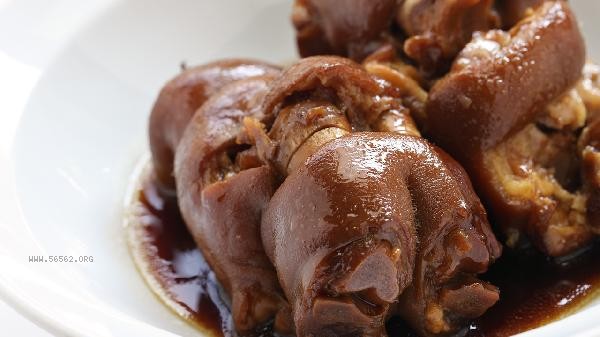
1. Soak and clean
Soak the cured pig trotters in warm water for several hours, and add a small amount of white vinegar or flour to the water. White vinegar can neutralize some volatile odor substances, while flour can adsorb the halitosis produced by surface oil oxidation. During the soaking period, the water needs to be changed multiple times until the water quality becomes clear. If there are mold spots on the surface, use a soft bristle brush to gently scrub and then use high Baijiu to wipe and disinfect.
2. Blanch to remove flavor
Boil in cold water and skim off the foam. Add ginger slices, scallions, Sichuan peppercorns, and other spices and cook together. After boiling, reduce the heat and continue boiling for 15 minutes. This process can cause some odorous substances to evaporate with the water vapor. After blanching, remove and rinse with running water to further remove any residual fishy odor. For areas with strong odors, blanching can be repeated once.
3. Seasoning Cover
When cooking, use strong flavored seasonings such as bean paste, star anise, cinnamon, etc., to mask residual odors through the strong aroma of spices. It is recommended to use braised or stewed cooking methods. Prolonged heating can soften the meat fibers and allow the seasoning to fully penetrate. Add an appropriate amount of cooking wine or lemon juice, whose acidic components help to decompose fat oxidation products.
4. Check for deterioration
If the odor is accompanied by mucus secretion or soft meat, it may have deteriorated. Normal cured pig trotters should be dark red in color and have a tight texture. When they spoil, gray green patches may appear. Slightly roasted flavor can be consumed after processing, but if there is a foul odor or mold, it should be discarded. For vacuum packaged products, swollen bags or leaking liquids are absolutely not edible.
5. Improve storage
Uneaten roasted pig trotters should be hung in a ventilated and cool place, or vacuum packaged and frozen for storage. A humid environment can easily lead to the growth of mold, and high temperatures can accelerate fat oxidation. Regularly check the storage status. It is normal for white salt frost to appear on the surface, but if there are sticky lumps, they should be dealt with in a timely manner. The traditional smoking technique produces preserved meats that are relatively more resistant to storage.
After processing, it is recommended to stew the cured pork trotters with ingredients such as radish and seaweed, which can enhance the flavor and promote the breakdown of greasiness. Avoid mixing with perishable foods such as seafood during daily storage, and seal promptly after each use. If discomfort such as abdominal pain and diarrhea occurs after consumption, immediately stop eating and seek medical attention. Reasonably control the frequency of consuming meat products, and hypertensive patients should pay special attention to reducing their consumption.








Comments (0)
Leave a Comment
No comments yet
Be the first to share your thoughts!